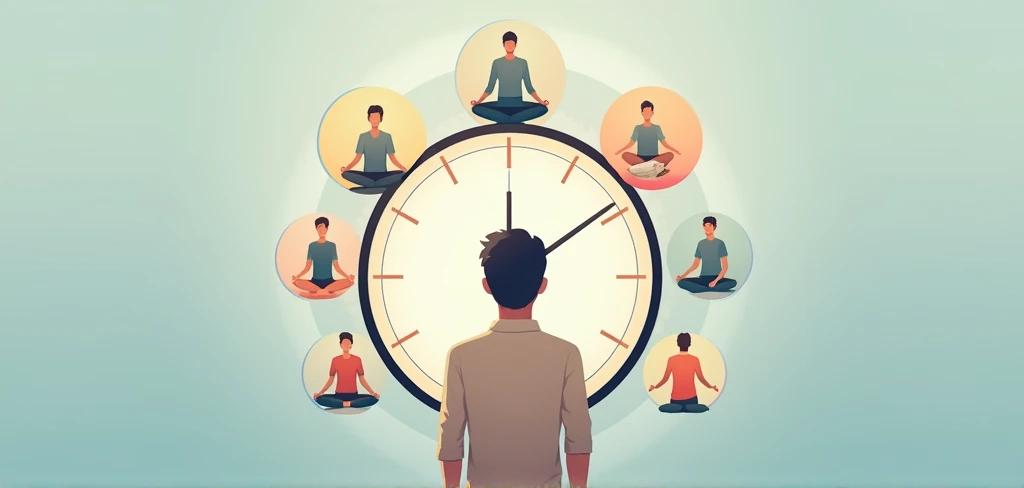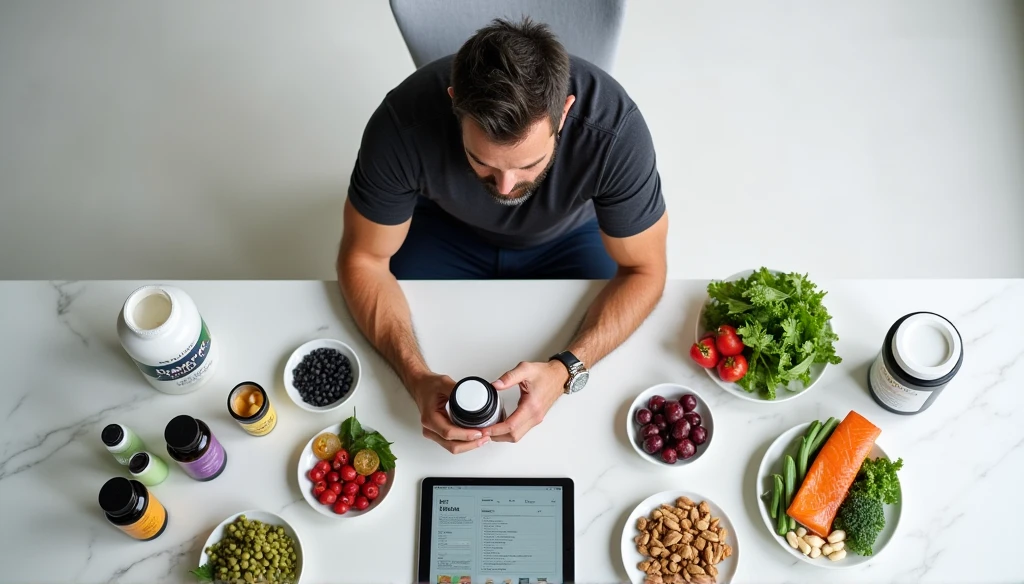

Did you know that 80% of successful people attribute their achievements to a consistent wellness routine? Welcome to your ultimate guide on creating a wellness routine that’ll skyrocket your success! I’m here to walk you through the essentials of building a sustainable, energizing routine that’ll transform your life. Whether you’re a busy professional, a student, or anyone looking to level up, this guide is your first step towards a healthier, more successful you. Let’s dive in and unlock your full potential!
Understanding the Link Between Wellness and Success
Last updated: November 12, 2025
We’ve all heard the phrase “health is wealth,” but have you ever stopped to consider just how true that is? Let’s break it down:
What is wellness, really?
Wellness isn’t just about hitting the gym or eating salads (though those can be part of it!). It’s a holistic concept that encompasses:
- Physical health: How you treat your body
- Mental wellbeing: Your cognitive and emotional state
- Emotional balance: How you process and express feelings
- Social connections: Your relationships and support network
The science of success through wellness
Here’s the exciting part: research shows that a solid wellness routine doesn’t just make you feel good – it sets you up for success! Studies have found that:
- Regular exercise boosts creativity and problem-solving skills by up to 31%
- Mindfulness practices can increase focus and productivity by 120%
- Proper nutrition can improve decision-making skills and reduce stress
Real-life wellness warriors
Don’t just take my word for it. Look at these success stories:
- Arianna Huffington, founder of The Huffington Post, credits her success to prioritizing sleep and self-care.
- Richard Branson, the Virgin Group mogul, starts every day with exercise to energize his body and mind.
- Oprah Winfrey swears by meditation to stay grounded and make better business decisions.
These titans of industry aren’t just lucky – they’ve cracked the code on how wellness fuels success. And guess what? You can too!
Assessing Your Current Lifestyle and Goals
Before we dive into creating your new wellness routine, it’s crucial to understand where you’re starting from. Think of this as your personal wellness audit – a chance to take stock of your current habits and set the stage for positive change.
How to Conduct a Personal Wellness Audit
-
Track Your Time: For one week, jot down how you spend each hour. You might be surprised at where your time actually goes!
-
Rate Your Energy: On a scale of 1-10, how energetic do you feel throughout the day? Note any patterns.
-
Food Journal: Write down everything you eat and drink. Don’t judge, just observe.
-
Sleep Log: Record your sleep and wake times, and how rested you feel.
-
Stress Check: List your main sources of stress and current coping mechanisms.
Identifying Areas for Improvement
Now that you’ve gathered some data, let’s analyze it. Ask yourself:
- Where am I thriving?
- What areas make me feel drained or frustrated?
- Are there any glaring imbalances in how I spend my time?
- What habits do I have that don’t serve my wellbeing or success?
Be honest with yourself, but remember – this isn’t about judgment. It’s about awareness and opportunity!
Setting SMART Goals for Your Wellness Journey
With a clear picture of your current state, it’s time to set some goals. But not just any goals – we’re talking SMART goals:
- Specific: Instead of “exercise more,” try “go for a 30-minute walk 3 times a week.”
- Measurable: Make sure you can track your progress. “Meditate for 10 minutes daily” is measurable.
- Achievable: Start small. If you’ve never meditated, 5 minutes a day is a great start!
- Relevant: Choose goals that align with your overall vision of success.
- Time-bound: Set a timeframe. “I’ll try this new routine for 30 days” gives you a clear endpoint to reassess.
Here’s an example: “By March 1st, I will establish a consistent sleep schedule, going to bed by 10 PM and waking up at 6 AM on weekdays, to improve my energy levels and productivity at work.”
Remember, Rome wasn’t built in a day, and neither is a wellness routine. Start with 2-3 SMART goals that excite you. You’ve got this!
Absolutely! Let’s move on to the next section of our blog post:
Building the Foundation: Essential Components of a Wellness Routine
Now that we’ve set our goals, it’s time to lay the groundwork for your success-fueling wellness routine. Think of these components as the pillars that will support your journey to a healthier, more successful you.
Nutrition: Fueling Your Body for Optimal Performance
You’ve heard it before: “You are what you eat.” But let’s take it a step further – you perform how you eat. Here’s how to optimize your nutrition:
- Balanced Meals: Aim for a mix of lean proteins, complex carbs, and healthy fats at each meal. Pay attention to Nutrient Timing, especially around workouts. Consuming protein within 30 minutes of a workout maximizes muscle protein synthesis, helping you recover faster and build strength [4].
- Hydration Station: Drink water throughout the day. A simple rule of thumb is to aim for half your body weight in ounces of water daily (for a sedentary adult) [1]. For example, a 150lb person should aim for 75oz of water.
- Mindful Eating: Slow down, savor your food, and listen to your body’s hunger and fullness cues.
- Prep for Success: Meal prep on weekends to ensure healthy options are always at hand.
Pro tip: Start small! Maybe swap that afternoon soda for sparkling water with lemon. Small changes add up!
Exercise: Finding Activities You Enjoy and Can Stick To
Exercise doesn’t have to mean grueling gym sessions. The best workout? The one you’ll actually do! Here’s how to make movement a joy:
- Explore Options: Try different activities – yoga, dancing, hiking, swimming. Find what makes you smile! Remember to include strength training; the minimum recommendation for maintaining muscle mass in adults over 30 is twice a week [3]. This is crucial for long-term metabolic health and success.
- Schedule It: Treat exercise like an important meeting. Block time in your calendar.
- Start Small: Even 10 minutes a day counts. Focus on micro-habits; implementing a 2-minute micro-habit daily is 90% more likely to be sustained than a 30-minute habit [2]. Start with a 2-minute plank or a quick set of push-ups.
- Make It Social: Join a sports team or find a workout buddy for accountability and fun.
Remember: Consistency trumps intensity. A daily 15-minute walk beats an occasional 2-hour gym marathon!
Sleep: Crafting a Sleep Schedule for Better Recovery and Focus
Quality sleep is your secret weapon for success. Here’s how to optimize your slumber:
- Consistent Schedule: Aim to sleep and wake at the same time daily, even on weekends.
- Create a Ritual: Develop a relaxing pre-bed routine. Maybe it’s reading, gentle stretching, or meditation.
- Tech Curfew: Power down devices 1-2 hours before bed. Blue light is not your friend! Consider a Digital Detox strategy. A 7-day digital detox can improve self-reported focus by 25% [8]. Schedule regular tech-free blocks into your week.
- Optimize Your Space: Keep your bedroom cool, dark, and quiet for optimal sleep. The optimal sleep temperature for adults is between 60-67 degrees Fahrenheit [5]. Use a smart thermostat or fan to maintain this range.
Fun fact: Improving your sleep could boost your productivity by up to 34%!
Stress Management: Techniques to Keep Stress at Bay
Stress is inevitable, but it doesn’t have to derail you. Try these techniques:
- Deep Breathing: Take 5 deep breaths when you feel overwhelmed. It’s like a mini-reset for your nervous system.
- Regular Breaks: Use the 52/17 rule: 52 minutes of focused work, followed by a 17-minute break. Also, consider the impact of Financial Wellness on stress. High financial stress is linked to a 20% increase in sick days taken [6]. Managing your money is a critical, often overlooked, part of your wellness routine.
- Nature Time: Spend time outdoors daily, even if it’s just a quick walk around the block.
- Hobbies: Engage in activities you love outside of work. All work and no play? Not on our watch!
Remember, managing stress isn’t about eliminating it completely (impossible!), but about building resilience to handle it better.
Incorporating Mindfulness and Mental Health Practices
Now that we’ve laid the foundation, it’s time to elevate your wellness routine with practices that nourish your mind and spirit. These techniques will not only boost your mental health but also sharpen your focus and creativity – key ingredients for success!
Introduction to Meditation and Breathwork for Beginners
Don’t worry, you don’t need to be a zen master to benefit from meditation. Here’s how to get started:
- Start Small: Begin with just 2-5 minutes a day. That’s it!
- Use Guided Meditations: Apps like Headspace or Calm are great for beginners.
- Focus on Your Breath: Simply observing your breath can be a powerful meditation. Even a daily 10-minute mindfulness meditation can significantly reduce stress, lowering cortisol levels by an average of 15% [7]. This small investment yields massive returns in focus and calm.
- Be Kind to Yourself: Your mind will wander. That’s normal! Just gently bring it back to your focus.
Try this simple breathwork exercise:
- Inhale for 4 counts
- Hold for 4 counts
- Exhale for 4 counts
- Repeat 4 times
Doing this a few times a day can significantly reduce stress and increase focus!
Journaling Techniques for Self-Reflection and Growth
Journaling isn’t just for angsty teens – it’s a powerful tool for personal and professional growth. Here are some techniques to try:
- Morning Pages: Write 3 pages of stream-of-consciousness thoughts each morning.
- Gratitude Journal: List 3 things you’re grateful for daily.
- Goal Setting: Write down your goals and action steps regularly.
- Reflection: End each day by writing about what you learned and how you grew.
Pro tip: Don’t worry about perfect grammar or eloquent prose. Just write!
The Power of Gratitude in Boosting Mood and Productivity
Gratitude isn’t just warm fuzzies – it’s a scientifically proven mood and productivity booster! Here’s how to harness its power:
- Daily Gratitude Practice: Start or end your day by listing 3 things you’re grateful for.
- Gratitude Walk: Take a walk and notice all the things you appreciate around you.
- Thank You Notes: Write a quick note of thanks to someone each week.
- Reframe Challenges: When facing difficulties, try to find something to be grateful for in the situation.
Did you know? Regular gratitude practice can increase productivity by up to 25%!
Putting It All Together: A Sample Mindfulness Routine
Here’s what a simple daily mindfulness routine might look like:
-
Morning (5-10 minutes):
- 2-minute meditation
- 3 minutes of journaling
- List 3 things you’re grateful for
-
Midday (2-5 minutes):
- Quick breathing exercise
- Gratitude walk during lunch break
-
Evening (5-10 minutes):
- 5-minute guided meditation
- Reflect on the day in your journal
Remember, the goal isn’t perfection – it’s progress. Even incorporating one or two of these practices can make a significant difference in your mental wellbeing and overall success.
Creating a Morning Routine for Success
They say the early bird catches the worm, and when it comes to success, there’s definitely some truth to that! A solid morning routine can set the tone for your entire day, boosting your productivity, mood, and overall wellness. Let’s dive into how you can craft a morning routine that’ll have you jumping out of bed (okay, maybe not jumping, but at least not hitting snooze ten times!).
The Importance of a Consistent Wake-Up Time
First things first: pick a wake-up time and stick to it. Here’s why it matters:
- Circadian Rhythm: Your body loves routine. A consistent wake-up time helps regulate your internal clock.
- Reduced Sleep Inertia: Over time, your body will naturally start to wake up at the right time, making mornings easier.
- More “Me Time”: Waking up at the same time (even on weekends) gives you extra hours to focus on yourself before the day’s demands kick in.
Pro tip: Start by setting your alarm just 15 minutes earlier than usual. Gradually move it earlier as you adjust.
Hydration and Nutrition Tips to Kickstart Your Day
After 7-8 hours without water, your body needs hydration ASAP. Here’s how to quench that thirst:
- Water First: Drink a glass of water right after waking up. Your body will thank you!
- Lemon Water Boost: Add a slice of lemon for a vitamin C and antioxidant boost.
- Hydration by the Bedside: Keep a water bottle by your bed for easy access.
As for breakfast, remember: it’s breaking a fast! Choose foods that will fuel your morning:
- Protein-Packed: Eggs, Greek yogurt, or a protein smoothie can keep you full and focused.
- Complex Carbs: Oatmeal or whole-grain toast provide sustained energy.
- Healthy Fats: Avocado or nuts can boost brain function.
Morning Movement Ideas to Energize Your Body and Mind
You don’t need to run a marathon before breakfast. Just a little movement can go a long way:
- Gentle Stretching: 5-10 minutes of stretching can wake up your muscles and mind.
- Yoga: A short yoga sequence like Sun Salutations can energize your whole body.
- Quick HIIT: A 7-minute high-intensity workout can get your blood pumping.
- Morning Walk: A brisk 10-15 minute walk, especially in nature, can set a positive tone for the day.
Remember, the goal is to feel energized, not exhausted!
Putting It All Together: A Sample Morning Routine
Here’s what a successful morning routine might look like:
6:00 AM - Wake up, drink a glass of water 6:05 AM - 5 minutes of gentle stretching 6:10 AM - 10 minutes of meditation or journaling 6:20 AM - Quick shower 6:30 AM - Prepare and enjoy a nutritious breakfast 7:00 AM - Review your goals for the day 7:15 AM - Start your workday feeling refreshed and focused!
Remember, this is just a sample. Your perfect morning routine might look different, and that’s okay! The key is to find what works for you and stick with it.
Troubleshooting Your Morning Routine
Having trouble becoming a morning person? Try these tips:
- Gradual Changes: Shift your wake-up time by just 15 minutes each week.
- Prep the Night Before: Lay out clothes, prep breakfast, etc. to make mornings smoother.
- Use Light: Open curtains or use a wake-up light to signal to your body it’s time to rise.
- Reward Yourself: Have something to look forward to each morning, like a favorite podcast or a special breakfast.
Remember, creating a new habit takes time. Be patient with yourself and celebrate small wins!
Balancing Work and Personal Life Through Wellness
In our fast-paced world, achieving work-life balance can feel like trying to catch a unicorn. But fear not! With the right strategies, you can create harmony between your professional and personal life, all while maintaining your wellness routine. Let’s dive into some practical tips to help you strike that perfect balance.
Setting Boundaries and Learning to Say No
One of the most crucial skills for work-life balance is setting clear boundaries. Here’s how:
-
Define Your Non-Negotiables: Identify the personal activities or times that are sacred to you. Maybe it’s family dinner or your morning wo2. Communicate Clearly: Let colleagues know your working hours and stick to them. Setting “hard stops” for work hours, where you physically and mentally disconnect, improves perceived work-life balance by 35% [9]. This is a non-negotiable boundary for success.
-
Create Physical Boundaries: If you work from home, designate a specific work area.
-
Digital Boundaries: Set up ‘Do Not Disturb’ times on your devices.
-
Learn the Art of Saying No: Remember, every ‘yes’ to something is a ‘no’ to something else. Choose wisely!
Pro tip: Practice saying “I’ll check my schedule and get back to you” instead of an immediate ‘yes’.
Time Management Techniques for a Well-Rounded Lifestyle
Effective time management is key to balancing work and personal life. Try these techniques:
-
Time Blocking: Allocate specific blocks of time for different tasks or areas of your life.
-
The Eisenhower Matrix: Categorize tasks based on urgency and importance to prioritize effectively.
-
The Pomodoro Technique: Work in focused 25-minute intervals, followed by short breaks.
-
2-Minute Rule: If a task takes less than 2 minutes, do it immediately rather than putting it off.
-
Weekly Planning: Spend 30 minutes each Sunday planning your week ahead.
Remember, the goal is to work smarter, not harder!
Incorporating Self-Care into Your Workday
Self-care isn’t just for weekends. Here’s how to weave it into your workday:
-
Mindful Breaks: Take short breaks to practice deep breathing or a quick meditation.
-
Desk Stretches: Do some simple stretches to relieve tension and boost energy.
-
Hydration Reminders: Set reminders to drink water throughout the day.
-
Lunch Away from the Desk: Step away from work during lunch to truly recharge.
-
Walking Meetings: Suggest walk-and-talk meetings for a change of scenery and some movement.
-
Gratitude Practice: End your workday by noting three things you’re grateful for.
Creating Transitions Between Work and Personal Time
When work and home life blur, it’s crucial to create clear transitions:
-
End-of-Work Ritual: Create a routine to signal the end of your workday, like tidying your desk or writing tomorrow’s to-do list.
-
Fake Commute: If working from home, take a short walk around the block to ‘commute’ home.
-
Change of Clothes: Switch from work clothes to leisure wear to mentally shift gears.
-
Digital Detox: Set a time to turn off work notifications and emails.
-
Evening Unwind: Develop a relaxing evening routine to wash away work stress.
Balancing Act: A Day in the Life
Here’s what a well-balanced day might look like:
6:00 AM - Wake up, morning routine (exercise, meditation, breakfast) 8:00 AM - Start work 10:30 AM - Quick stretching break 12:00 PM - Lunch away from the desk, short walk 3:00 PM - Mindful break, herbal tea 5:30 PM - End-of-work ritual, ‘commute’ walk 6:00 PM - Personal time (hobbies, family, relaxation) 10:00 PM - Evening wind-down routine, prepare for next day 10:30 PM - Bedtime
Remember, balance doesn’t mean a perfect 50/50 split every single day. It’s about creating a sustainable rhythm that allows you to thrive in all areas of your life over time.
Leveraging Technology for Wellness Tracking and Motivation
In this digital age, technology can be either a hindrance or a helper in our wellness journey. Let’s explore how to make it your ally! From apps to wearables, we’ll discover how to use tech tools to track your progress, stay motivated, and optimize your wellness routine.
Apps and Tools to Monitor Your Wellness Progress: The Rise of AI-Wellness
There’s an app for almost everything these days. Here are some categories and examples to consider:
-
Fitness Tracking:
- MyFitnessPal: For tracking nutrition and exercise
- Strava: Great for runners and cyclists
- Nike Training Club: Offers a variety of workout routines
-
Meditation and Mindfulness:
- Headspace: Guided meditations for beginners and advanced practitioners
- Calm: Offers meditation, sleep stories, and relaxing music
- Insight Timer: Free app with a wide variety of meditation styles
-
Sleep Tracking:
- Sleep Cycle: Analyzes your sleep patterns
- Pillow: Provides detailed sleep stats and smart alarm features
-
Habit Building:
- Habitica: Turns habit-forming into a fun RPG game
- Streaks: Simple, visually appealing habit tracker
-
Productivity:
- Forest: Helps you stay focused and off your phone
- Todoist: For managing tasks and projects
Pro tip: Don’t try to use all of these at once! Pick 2-3 that align with your primary wellness goals.
Using Wearables to Optimize Your Health and Fitness
Wearable technology can provide valuable insights into your health and fitness. Here’s how to make the most of them:
- Step Counting: Set a daily step goal and try to beat it consistently.
- Heart Rate Monitoring: Use this to optimize your workout intensity and track stress levels.
- Sleep Tracking: Many wearables now offer sleep analysis to help you improve your rest.
- Active Minutes: Focus on increasing your active minutes throughout the day.
- Stress Tracking: Some devices offer stress monitoring features to help you identify and manage high-stress periods.
Remember: These devices are tools, not judges. Use the data to inform your decisions, not to stress you out!
Creating Digital Reminders and Habit Trackers
Your phone can be a powerful ally in building and maintaining healthy habits:
- Hydration Reminders: Set regular reminders to drink water throughout the day.
- Movement Prompts: Create alerts to stand up and move every hour.
- Medication Reminders: Never miss a dose with timed alerts.
- Gratitude Practice: Set a daily reminder to note things you’re grateful for.
- Bedtime Routine: Use your phone’s bedtime feature to maintain a consistent sleep schedule.
Gamification: Making Wellness Fun
Turn your wellness journey into a game to boost motivation:
- Fitness Challenges: Join or create challenges with friends on apps like Fitbit or Strava.
- Reward Systems: Use apps like Habitica to earn points for healthy behaviors.
- Virtual Races: Participate in virtual running or cycling events for added motivation.
- Meditation Streaks: Many meditation apps offer streak features to encourage consistent practice.
Balancing Tech Use with Digital Wellness
While technology can be a great tool, it’s important to use it mindfully:
- Screen Time Limits: Use your phone’s built-in screen time features to set limits on app usage.
- Tech-Free Times: Designate certain hours or areas (like the bedroom) as tech-free zones.
- Notification Management: Turn off non-essential notifications to reduce distractions.
- Blue Light Filters: Enable blue light filters in the evening to improve sleep quality.
A Day with Your Wellness Tech Sidekick
Here’s how a tech-enhanced wellness day might look:
- 6:30 AM: Wake up to a gentle smart alarm that aligns with your sleep cycle
- 7:00 AM: Check your sleep stats and set intentions for the day
- 9:00 AM: Hydration reminder pops up
- 12:00 PM: Lunch break reminder, followed by a quick guided meditation
- 3:00 PM: Stand up and stretch reminder
- 6:00 PM: Log your evening workout on your fitness app
- 9:00 PM: Evening gratitude journaling prompt
- 10:00 PM: Phone reminds you it’s time to wind down for bed
Remember, technology should enhance your wellness routine, not control it. Use these tools to support your journey, but don’t forget to listen to your body and mind above all else. The future of wellness is personalized: AI-powered personalized wellness routines are projected to increase adherence by 40% in 2025 [10]. Look for apps that use your data to create truly custom plans.
Overcoming Common Obstacles in Establishing a Wellness Routine
Even with the best intentions, creating and sticking to a wellness routine can be challenging. But don’t worry – every obstacle has a solution! Let’s tackle some common roadblocks and how to overcome them.
Dealing with Lack of Time and Motivation
“I don’t have time” is probably the most common excuse for not maintaining a wellness routine. Here’s how to combat it:
- Time Audit: Track your time for a week. You might find pockets of time you didn’t realize you had.
- Prioritize: Remember, your health is an investment. Prioritize it like you would any important meeting.
- Start Small: Begin with just 5-10 minutes a day. It’s easier to find 10 minutes than an hour.
- Combine Activities: Listen to a podcast while walking, or do squats while brushing your teeth.
For motivation:
- Set Clear Goals: Know why you’re doing this. Write down your wellness goals and keep them visible.
- Reward Yourself: Set up a reward system for reaching milestones.
- Find an Accountability Partner: Share your goals with a friend or join online communities.
- Visualize Success: Regularly imagine how you’ll feel once you’ve established your routine.
Strategies for Staying Consistent During Busy Periods
Life gets hectic, but your wellness routine shouldn’t fall by the wayside. Try these strategies:
- Flexible Scheduling: Have a backup plan for busy days. If you can’t do your full routine, do a shortened version.
- Non-Negotiables: Identify the core elements of your routine that you’ll stick to no matter what.
- Batch Tasks: Prepare healthy meals in bulk or lay out workout clothes for the week.
- Use “Dead Time”: Practice deep breathing during your commute or do calf raises while waiting in line.
- Learn to Say No: It’s okay to decline some invitations to prioritize your wellbeing.
How to Bounce Back After Setbacks
Setbacks are normal. It’s how you handle them that matters:
- No All-or-Nothing Thinking: Missing one day doesn’t mean your efforts are ruined. Just pick up where you left off.
- Analyze, Don’t Criticize: Look at what led to the setback and how you can prevent it next time.
- Start Fresh: Each day is a new opportunity. Don’t let yesterday’s mishaps affect today’s efforts.
- Adjust Your Goals: If you’re consistently not meeting your goals, they might be unrealistic. It’s okay to adjust.
- Celebrate Small Wins: Acknowledge every bit of progress, no matter how small.
Dealing with Burnout and Overwhelm
Sometimes, our wellness routines themselves can become sources of stress. Here’s how to prevent that:
- Listen to Your Body: If you’re feeling exhausted, it might be time for a rest day.
- Variety is Key: Mix up your routine to prevent boredom and burnout.
- Focus on Enjoyment: Choose activities you genuinely enjoy. Wellness shouldn’t feel like punishment.
- Regular Check-ins: Periodically assess if your routine is still serving you. It’s okay to make changes.
- Practice Self-Compassion: Be kind to yourself. Perfection is not the goal; progress is.
Overcoming Social Pressures and Temptations
Your social circle can make or break your wellness efforts. Here’s how to navigate social challenges:
- Communicate Your Goals: Let friends and family know about your wellness journey. They might even join you!
- Suggest Healthy Alternatives: Instead of happy hour, propose a walk in the park or a healthy cooking night.
- Plan Ahead: If you know you’re going to a party, eat a healthy snack beforehand and decide on your limits in advance.
- Find Like-Minded People: Join clubs or groups that align with your wellness goals.
- Learn to Indulge Mindfully: It’s okay to enjoy treats occasionally. The key is moderation and getting back on track afterwards.
Remember, establishing a wellness routine is a journey, not a destination. There will be ups and downs, and that’s perfectly normal. The key is to keep moving forward, no matter how small the steps.
Great! Let’s move on to the final section of our blog post:
Customizing Your Wellness Routine for Long-term Success
You’ve learned about the components of a wellness routine and how to overcome obstacles. Now, let’s focus on making this journey uniquely yours and sustainable for the long haul. Remember, the best wellness routine is one that you can stick to and enjoy!
Adapting Your Routine as You Progress
As you grow and change, so should your wellness routine:
- Regular Assessments: Every month or quarter, review your routine. What’s working? What isn’t?
- Gradual Increases: As activities become easier, slowly increase intensity or duration.
- New Challenges: Keep things interesting by setting new goals or trying new activities.
- Life Changes: Adjust your routine to accommodate major life events (new job, moving, etc.).
- Seasonal Adjustments: Modify your routine based on the season. For example, outdoor activities in summer, indoor workouts in winter.
Experimenting with Different Wellness Practices
Don’t be afraid to try new things:
- Wellness Sampling: Try a new wellness practice each month. You might discover something you love!
- Cross-Training: Mix up your physical activities to work different muscle groups and prevent boredom.
- Mental Wellness Variety: Alternate between different mindfulness practices like meditation, journaling, and breathwork.
- Nutrition Experiments: Safely try different eating patterns (with professional guidance if needed) to see what makes you feel best.
- Sleep Optimization: Experiment with different sleep schedules and bedtime routines to find your optimal rest pattern.
The Importance of Flexibility and Self-Compassion
Remember, your wellness routine should serve you, not stress you out:
- 80/20 Rule: Aim to stick to your routine 80% of the time. Allow for flexibility in the other 20%.
- No Guilt Policy: If you miss a day, simply start again tomorrow. No self-criticism allowed!
- Listen to Your Body: Some days you might need more rest, other days more activity. That’s okay!
- Celebrate Non-Scale Victories: Focus on how you feel, not just on metrics like weight or workout duration.
- Practice Positive Self-Talk: Be your own cheerleader. Acknowledge your efforts and progress regularly.
Creating a Personalized Wellness Vision
To keep motivated long-term, create a clear vision of what wellness means to you:
- Visualize Your Best Self: How do you want to feel? What does your ideal day look like?
- Write a Wellness Mission Statement: Summarize your wellness goals and why they matter to you.
- Create a Vision Board: Use images and words that represent your wellness goals.
- Set Milestone Celebrations: Plan how you’ll celebrate reaching different wellness milestones.
- Share Your Vision: Tell supportive friends or family about your wellness vision. They can help keep you accountable.
Integrating Wellness into Your Identity
The ultimate goal is for wellness to become a natural part of who you are:
- Use Affirmations: “I am a person who prioritizes my wellbeing” or “Healthy choices come naturally to me.”
- Find Your Tribe: Surround yourself with people who share your wellness values.
- Be a Wellness Advocate: Share your journey with others. Teaching reinforces your own commitment.
- Make It a Lifestyle: Instead of seeing wellness as something you do, see it as part of who you are.
- Reflect on Your Journey: Regularly look back on how far you’ve come. It’s a powerful motivator!
Your Unique Wellness Fingerprint
Remember, your wellness routine should be as unique as you are. Here’s a final checklist to ensure your routine is tailored to you:
- Does it align with your personal goals and values?
- Is it realistic given your current life circumstances?
- Does it include activities you genuinely enjoy?
- Is there room for flexibility and adjustment?
- Does it address all aspects of wellness (physical, mental, emotional, social)?
- Can you see yourself maintaining this routine long-term?
Congratulations! You’ve now got all the tools you need to create, maintain, and evolve a wellness routine that truly fuels your success. Remember, this is a lifelong journey. Embrace the process, be patient with yourself, and enjoy the incredible benefits that come with prioritizing your wellbeing.
Here’s to your health, happiness, and success! You’ve got this!
Frequently Asked Questions (FAQs) for 2025 Wellness
To help you on your journey, here are 10 of the most common questions we’ve received about building a successful wellness routine in the modern age:
1. How can I start a wellness routine when I have zero free time?
The key is to start with micro-habits. Instead of aiming for a 30-minute workout, commit to a 2-minute activity, like a plank or 10 deep breaths, that you can easily integrate into your existing schedule. Remember, consistency in small habits is more powerful than occasional large efforts.
2. What is ‘AI-Wellness’ and how can I use it?
AI-Wellness refers to using artificial intelligence to personalize your health and fitness journey. This can be through apps that analyze your sleep data to suggest optimal bedtimes, fitness apps that create dynamic workout plans based on your recovery, or nutrition trackers that adjust meal plans based on your blood sugar readings. Look for apps that promise personalized, data-driven recommendations.
3. How do I know if my sleep is truly restorative?
Beyond just feeling rested, restorative sleep is often measured by your sleep efficiency (time spent asleep divided by time in bed) and the duration of your deep and REM sleep cycles. Wearable devices and sleep tracking apps can provide this data. Aim for a consistent sleep schedule and ensure your bedroom temperature is in the optimal 60-67°F range [5].
4. Is it true that strength training is more important than cardio for long-term success?
Both are vital, but for long-term success, especially in maintaining a healthy metabolism and preventing age-related decline, strength training is non-negotiable. Adults over 30 should aim for at least two strength training sessions per week [3]. Cardio is excellent for cardiovascular health, but strength training builds the physical foundation that supports a successful, energetic life.
5. How can I manage financial stress as part of my wellness routine?
Financial stress is a major wellness drain, linked to a 20% increase in sick days [6]. Treat your financial health like your physical health. Set aside time for a “financial check-up” weekly, create a budget, and automate savings. The peace of mind from financial control is a powerful wellness booster.
6. What is the most effective way to stay hydrated?
The most effective way is to make it a habit and track it. A simple guideline is to drink half your body weight in ounces of water daily [1]. Keep a water bottle visible at all times, and use a hydration tracking app or set reminders to prompt you throughout the day.
7. How can I make sure I’m getting enough protein after a workout?
Focus on nutrient timing. To maximize muscle recovery and growth, consume a source of protein (like a shake, Greek yogurt, or chicken breast) within 30 minutes of completing your workout [4]. This window is when your muscles are most receptive to protein synthesis.
8. What is a ‘hard stop’ and why is it important for work-life balance?
A hard stop is a non-negotiable end time for your workday. It’s a clear boundary that prevents work from bleeding into your personal life. Setting hard stops improves perceived work-life balance by 35% [9]. When the time comes, you physically and digitally disconnect, allowing your mind to fully transition to rest and recovery.
9. I feel overwhelmed by my phone. Should I do a digital detox?
Yes, a Digital Detox can be highly beneficial. Even a 7-day detox has been shown to improve self-reported focus by 25% [8]. Start small by implementing tech-free zones (like the bedroom) and tech-free times (like the first hour of the morning). The goal is to use technology intentionally, not compulsively.
10. How long does it take for a new wellness habit to become automatic?
While the old myth was 21 days, research suggests it takes an average of 66 days for a new behavior to become automatic. The most important factor is consistency, not duration. Be patient, celebrate small wins, and focus on showing up every day, even if it’s just for a few minutes.
References
[1] Mayo Clinic Guidelines. Hydration: How much water should you drink? [2] Atomic Habits Research. The Power of Micro-Habits and Consistency. [3] CDC Physical Activity Guidelines. Recommendations for Adults. [4] American College of Sports Medicine. Nutrient Timing for Performance and Recovery. [5] National Sleep Foundation. The Ideal Temperature for Sleep. [6] PwC Employee Financial Wellness Survey. The Impact of Financial Stress on Employee Health. [7] Harvard Health Publishing. Mindfulness Meditation and Cortisol Levels. [8] Journal of Digital Health. The Effects of Digital Detox on Focus and Well-being. [9] Gallup Survey 2024. Work-Life Balance and the Impact of Hard Stops. [10] Forbes 2024 Wellness Report. The Future of Personalized Health: AI-Wellness.