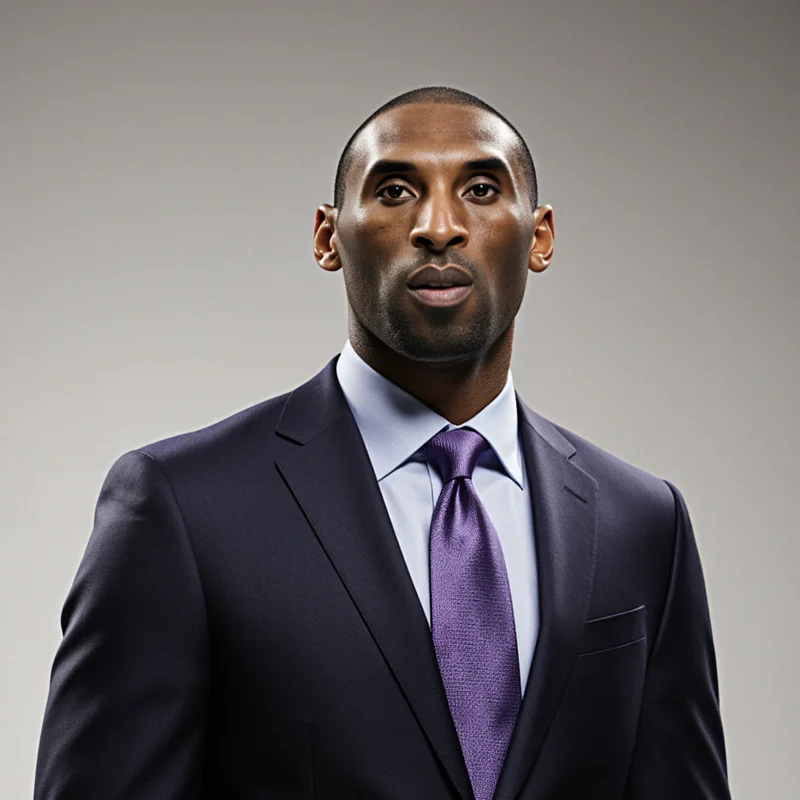
Deep dive from Kobe Bryant's daily routine
Kobe Bryant's Supplement Stack
Kobe Bryant's supplement stack: Recovery Methods and Tracking and Data — 2 supplements with dosages and timing. What they take, when, and why.
Not affiliated with Kobe Bryant.
Kobe Bryant: The stack at a glance
| Time | Item | Details |
|---|---|---|
| Post-Workout & Evening | Recovery MethodsFoam rolling, ice baths, massage, and mobility work. | Foam rolling, ice baths, massage, and mobility work. |
| Throughout the Day | Tracking and DataTracking sleep, heart rate variability, training load, and recovery to avoid overtraining. | Tracking sleep, heart rate variability, training load, and recovery to avoid overtraining. |
Recovery Tools
Throughout the DayRecovery methods and tracking tools to cut injury risk between sessions.
-
Recovery Methods
TrainingFoam rolling, ice baths, massage, and mobility work.
Read the full breakdown Hide the breakdown
Kobe used several recovery methods to handle four daily training sessions. They included foam rolling (10–15 minutes daily), ice baths (10–15 minutes post-workout), massage therapy (2–3 times weekly), and mobility work (30–40 minutes daily). Recovery was scheduled like a workout.
Recovery
- Foam rolling: 10–15 minutes daily on quads, IT band, calves, and back
- Ice baths: 10–15 minutes post-workout (50–60°F) to reduce inflammation
- Massage therapy: 60–90 minutes, 2–3 times weekly for deep tissue work
- Mobility work: 30–40 minutes daily (dynamic and static stretching)
- Contrast therapy: Alternate hot and cold exposure
Everyday adaptation: Spend 10 minutes foam rolling after your workout, on the areas you trained hardest. If you can't get an ice bath, take a cold shower for 2–3 minutes.
-
Tracking and Data
RoutineTracking sleep, heart rate variability, training load, and recovery to avoid overtraining.
Read the full breakdown Hide the breakdown
Athletes increasingly use wearables and data tracking to monitor sleep quality, heart rate variability (HRV), training load, and recovery. The numbers help set each day's training intensity. Kobe discussed his training approach in interviews, including ESPN's "all-day process" feature.
Tracking
- Sleep tracking: Monitor sleep duration and quality nightly
- Heart rate variability (HRV): Track daily to assess recovery and readiness
- Training load: Log workouts (duration, intensity, exercises) to identify patterns
- Recovery metrics: Monitor resting heart rate, body weight, and subjective wellness
- Video analysis: Review technique on YouTube or in coaching software
Everyday adaptation: Log your workouts and sleep on your phone. After two weeks, look for patterns.