

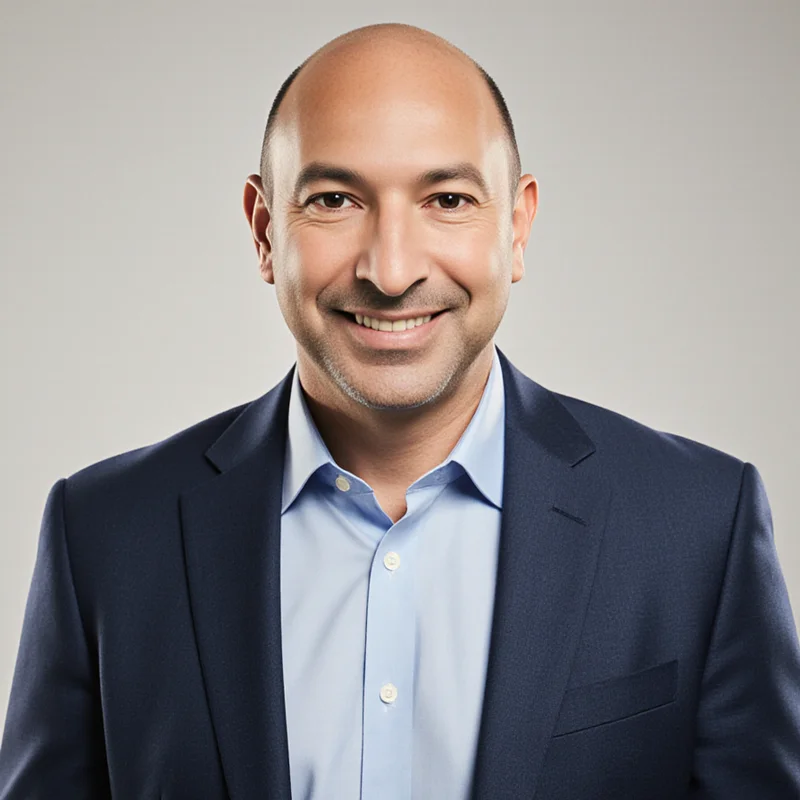
Dr. Peter Attia
Physician, Longevity Medicine Specialist, Founder of Attia Medical
Dr. Peter Attia is a Canadian physician with expertise in longevity and health optimization. He holds a medical diploma from Stanford University and has a background in surgery. He founded Attia Medical in 2014, a practice dedicated to the applied science of longevity and optimal performance, and hosts 'The Drive,' a popular podcast discussing health, nutrition, and longevity.
Quick Facts
Notable Wins
- Founded Attia Medical in 2014, pioneering applied longevity medicine with precision testing protocols
- Hosts 'The Drive' podcast, reaching millions with evidence-based health and longevity discussions
- Developed the Centenarian Decathlon framework—a comprehensive fitness model for aging well
- Created Medicine 3.0 philosophy focusing on optimizing the final 10 years of life
- Featured on 60 Minutes, Oprah, and CBS News discussing longevity and exercise science
- Advocates for multi-pillar training: strength, Zone 2 aerobic, stability, anaerobic power, and rucking
- Conducts extensive research and publishes detailed longevity articles on PeterAttiamd.com
Updated Jan 17, 2025 · 18
Jump to Section
Transparency Notice: This article contains affiliate links to products and services we recommend. If you make a purchase through these links, we may earn a commission at no extra cost to you. This helps us keep our content free and continue providing valuable information. We only recommend products we've researched or personally used. For complete details, see our Affiliate Disclosure.
01
Morning Foundations: Sleep Recovery & Circadian Alignment
Sleep is the foundation upon which all other health behaviors rest. Without it, nothing else matters.
Sleep Quality Assessment & Wake Protocol
Peter wakes at 6:00 AM consistently, even on weekends, to anchor his circadian rhythm. He reviews sleep metrics from wearables—total sleep duration, REM/deep sleep ratios, and sleep efficiency—to inform his day's training intensity and recovery needs.
Sleep Quality Protocol
- Consistent wake time at 6:00 AM to stabilize circadian rhythm
- Review wearable sleep data: duration, REM, deep sleep, and efficiency metrics
- Assess subjective sleep quality (1-10 scale) to adjust training volume
- If sleep <7 hours, reduce training intensity or extend recovery day
- Use sleep data to inform PeterAttiamd.com weekly planning
"The best training program is the one you can recover from. Sleep determines that."
Everyday adaptation: Track your sleep duration and quality for one week using a free app or wearable. If you're consistently under 7 hours, prioritize one earlier bedtime this week—this single shift often improves energy more than any supplement.
Dehydration is one of the most overlooked performance killers. Start your day ahead of the curve.
Hydration & Electrolyte Replenishment
Peter drinks 500-750ml of water with electrolytes within 15 minutes of waking. During sleep, he loses significant fluid and electrolytes; this protocol restores sodium, potassium, and magnesium balance to optimize cognition, cardiovascular function, and training readiness.
Morning Hydration Protocol
- 500-750ml water with electrolyte mix (sodium-forward formulation)
- Electrolytes include sodium (500-1000mg), potassium (200-400mg), magnesium (100-200mg)
- Consumed within 15 minutes of waking before any other activity
- Supports hydration status assessment and metabolic optimization
- Delays caffeine intake by 90-120 minutes to preserve natural cortisol rise
"Electrolytes aren't just for athletes. They're foundational for anyone optimizing their biology."
Everyday adaptation: Mix a pinch of sea salt into your morning water glass, or use a low-cost electrolyte packet. This costs under $1 and dramatically improves morning hydration without fancy supplements.
Morning light is a free drug. It costs nothing and affects everything—mood, sleep, energy, metabolism.
Sunlight Exposure & Circadian Anchoring
Within 30 minutes of waking, Peter spends 10-15 minutes in direct sunlight without sunglasses. This exposure triggers circadian rhythm alignment, boosts serotonin, suppresses evening melatonin at the right time, and improves sleep quality that night. On cloudy days, he uses a 10,000 lux light therapy device for 20-30 minutes.
Circadian Anchoring Protocol
- Direct sunlight exposure for 10-15 minutes within 30 minutes of waking
- No sunglasses during this window to maximize photoreceptor stimulation
- On cloudy/indoor days, use 10,000 lux light therapy device for 20-30 minutes
- Consistent timing, even on weekends, anchors the circadian clock
- Supports sleep quality and daytime alertness through melatonin timing
"Your circadian rhythm is the master clock. Everything else—sleep, digestion, hormones—follows it."
Everyday adaptation: Step outside for 10 minutes after waking, even if it's cloudy. No equipment needed. This single habit improves sleep quality and daytime energy more than most supplements.
Stability before strength. This is the foundation of training that lasts a lifetime.
Movement Screening & Mobility Assessment
Peter dedicates 10-15 minutes to functional movement assessment: balance testing, hip mobility, ankle stability, and shoulder range of motion. This screening informs his training intensity and identifies compensation patterns before they cause injury. He uses Movement Screening protocols developed at Attia Medical to assess readiness.
Daily Movement Screening
- Single-leg balance test: 30 seconds per leg with eyes open and closed
- Hip mobility assessment: deep squat hold, hip internal/external rotation
- Ankle stability: single-leg stance on unstable surface or balance board
- Shoulder mobility: overhead reach, cross-body shoulder stretch assessment
- Gait assessment: walk 20 meters and observe symmetry, stride length, cadence
"Movement quality predicts longevity better than any single fitness metric. Protect it."
Everyday adaptation: Spend 5 minutes each morning doing single-leg balance holds, deep squats, and arm circles. This costs nothing and reveals mobility issues before they become injuries.
02
Nutrition & Hydration: Precision Fueling for Performance & Longevity
Breakfast sets your metabolic tone. Protein first, always.
Breakfast: Protein-Forward Meal with Micronutrient Density
Peter's breakfast typically includes 3-4 whole eggs, 100-150g Greek yogurt or cottage cheese, and a large serving of vegetables (spinach, broccoli, or mushrooms). This delivers 30-40g protein, healthy fats, and micronutrients while keeping carbohydrates moderate. Timing is 90-120 minutes after waking to allow cortisol to peak naturally.
Breakfast Protocol
- 3-4 whole eggs (yolk + white) for choline, lutein, and complete protein
- 100-150g Greek yogurt or cottage cheese for additional protein and probiotics
- Large serving of colorful vegetables (spinach, broccoli, bell peppers, mushrooms)
- Optional: 1/4 avocado or 1 tbsp olive oil for healthy fats and satiety
- Hydration: 500ml water with breakfast to support digestion
"Protein at breakfast isn't optional—it's foundational for muscle preservation and metabolic health."
Everyday adaptation: Make a simple scrambled egg and vegetable breakfast: 3 eggs, a handful of spinach, and a cup of broccoli. This takes 10 minutes, costs under $3, and delivers the protein and nutrients your body needs.
Hydration is a continuous practice, not a once-a-day event. Sip consistently.
Mid-Morning Hydration & Metabolic Checkpoint
Peter drinks 250-500ml water mid-morning and assesses his metabolic state: energy level (1-10), hunger cues, and training readiness. If energy is low, he may consume 15-20g carbohydrates (apple, banana, or rice cakes) to optimize training performance. This checkpoint informs whether he'll train at high intensity or extend recovery.
Mid-Morning Hydration Protocol
- 250-500ml water consumed between breakfast and lunch
- Subjective energy assessment: rate energy on 1-10 scale
- If energy <6/10, consume 15-20g carbohydrates (fruit or rice cakes)
- Monitor hunger cues and adjust lunch timing if needed
- Use Resting Metabolic Rate Testing data to inform caloric needs
"Listen to your body's signals. Energy and hunger are data, not noise."
Everyday adaptation: Set a phone reminder to drink water at 10 AM and rate your energy. This 30-second check-in helps you understand your metabolic patterns and adjust meals accordingly.
Lunch is your training fuel. Treat it with the same precision as your workout.
Lunch: Balanced Macros with Protein & Micronutrients
Peter's typical lunch includes 150-200g lean protein (chicken, fish, or beef), 150-200g complex carbohydrates (rice, sweet potato, or oats), and 2-3 cups of vegetables. This meal delivers 35-45g protein, 40-60g carbs, and micronutrients to support afternoon training and sustained energy. Timing is 3-4 hours before intense training to allow full digestion.
Lunch Protocol
- 150-200g lean protein: grilled chicken, salmon, grass-fed beef, or turkey
- 150-200g complex carbohydrates: white rice, sweet potato, or steel-cut oats
- 2-3 cups mixed vegetables: broccoli, carrots, leafy greens, and colorful peppers
- Healthy fat: 1 tbsp olive oil or avocado for nutrient absorption
- Hydration: 500ml water with meal to support digestion
"Food is information. Every meal either supports your longevity goals or works against them."
Everyday adaptation: Cook a simple lunch: grilled chicken breast, white rice, and steamed broccoli. Batch-cook on Sunday for the week. This costs $2-3 per meal and delivers exactly what your body needs.
Pre-training nutrition isn't about feeling full. It's about maximizing power and protecting muscle.
Pre-Training Hydration & Fuel Timing
Peter consumes 15-25g easily digestible carbohydrates (banana, rice cakes, or sports drink) and 250-500ml water with electrolytes approximately 60-90 minutes before training. This timing allows digestion while providing fuel for high-intensity work. He avoids high-fiber or high-fat foods pre-training to prevent GI distress.
Pre-Training Fuel Protocol
- 15-25g fast-digesting carbohydrates: banana, rice cakes, or white bread
- 250-500ml water with electrolytes (sodium-forward formulation)
- Timing: 60-90 minutes before training to allow digestion
- Avoid high-fiber, high-fat, or high-protein foods pre-training
- Monitor Sweat Analysis data to personalize electrolyte needs
"Pre-training fuel is an investment in performance. Don't skip it."
Everyday adaptation: Eat a banana and drink a glass of water 90 minutes before your workout. This costs under $1 and noticeably improves your training power and recovery.
03
Movement & Training: The Centenarian Decathlon Framework
Muscle is longevity. Preserve it with intention, or lose it by default.
Strength Training: Progressive Resistance & Muscle Preservation
Peter's strength training follows a 3-4 day per week upper/lower split with 30-45 minute sessions. He performs 10-15 total sets per muscle group spread across 2-4 sessions, using 6-15 rep ranges depending on training phase. Each set is performed 1-2 reps from muscular failure to maximize hypertrophy and strength. Exercises include squats, deadlifts, bench press, rows, and isolation work.
Strength Training Protocol
- 3-4 days per week structured strength training (upper/lower split)
- 30-45 minute sessions with 10-15 total sets per muscle group
- Rep ranges: 6-15 reps depending on phase (strength vs. hypertrophy)
- Training intensity: 1-2 reps from muscular failure per set
- Compound movements prioritized: squats, deadlifts, bench press, rows, overhead press
"Strength training is the most powerful longevity tool available. It's non-negotiable."
Everyday adaptation: Start with 3 compound movements twice per week: squats, bench press, and rows. Use bodyweight or dumbbells. Perform 3 sets of 8-12 reps, stopping 1-2 reps short of failure. This takes 30 minutes and preserves muscle for life.
Zone 2 is where longevity lives. It's not sexy, but it's essential.
Zone 2 Aerobic Training: Mitochondrial Efficiency & Endurance
Peter performs Zone 2 aerobic training 4 days per week for 30-60 minutes per session. Zone 2 is defined as 60-70% max heart rate or 2 mmol/L lactate threshold—a pace where he can hold a conversation but feels challenged. Activities include cycling, running, rowing, or hiking. This training builds mitochondrial density, improves fat oxidation, and enhances aerobic capacity without the recovery cost of high-intensity work.
Zone 2 Aerobic Protocol
- 4 days per week Zone 2 aerobic training
- Duration: 30-60 minutes per session at 60-70% max heart rate
- Activities: cycling, running, rowing, hiking, or swimming
- Intensity: conversational pace—you can speak but not sing
- Use VO2max Testing and Lactate Analysis to calibrate Zone 2 boundaries
"Zone 2 training is the foundation of aerobic fitness. Build it first, then add intensity."
Everyday adaptation: Go for a 30-minute walk or easy bike ride at a conversational pace 3-4 times per week. No equipment needed. This single habit improves heart health, mitochondrial function, and longevity markers.
Stability is the prerequisite for strength. Master it before you load it.
Stability & Balance Training: Injury Prevention & Functional Movement
Peter dedicates 2-3 sessions per week to stability training, including single-leg balance work, core stabilization, and proprioceptive exercises. Sessions last 15-20 minutes and include exercises like single-leg deadlifts, balance board work, and anti-rotation core drills. This training is performed before heavy strength work to activate stabilizer muscles and reduce injury risk. He uses Biodex Balance testing to assess and track stability improvements.
Stability Training Protocol
- 2-3 sessions per week dedicated stability training
- Duration: 15-20 minutes performed before heavy strength work
- Exercises: single-leg balance holds, single-leg deadlifts, balance board work, anti-rotation core drills
- Proprioceptive focus: eyes open and closed, unstable surfaces
- Use Movement Screening protocols to identify weak links
"A strong body with poor stability is an injury waiting to happen. Invest in the foundation."
Everyday adaptation: Perform single-leg balance holds for 30 seconds per leg, 3 times per week. Add single-leg deadlifts with light dumbbells. This 10-minute routine prevents falls and injuries while building functional strength.
High-intensity training is the most time-efficient way to build aerobic capacity. Use it strategically.
Anaerobic Power Training: VO2max & Lactate Threshold Work
Peter performs 1-2 high-intensity anaerobic sessions per week lasting 20-30 minutes total (including warm-up and cool-down). These sessions include VO2max intervals (4-8 minutes at 85-95% max heart rate) and lactate threshold work (8-12 minutes at 75-85% max heart rate). Activities include cycling, rowing, or running. Recovery between intervals is 2-3 minutes at easy pace. He uses Lactate Analysis and VO2max Testing to calibrate intensity.
Anaerobic Power Protocol
- 1-2 sessions per week high-intensity anaerobic training
- Total duration: 20-30 minutes (including warm-up and cool-down)
- VO2max intervals: 4-8 minutes at 85-95% max heart rate
- Lactate threshold work: 8-12 minutes at 75-85% max heart rate
- Recovery: 2-3 minutes easy pace between intervals
"VO2max is one of the strongest predictors of longevity. Protect it with high-intensity training."
Everyday adaptation: Once per week, do 5 minutes of hard cycling or running (8-9/10 effort), then 2 minutes easy. Repeat 3-4 times. This 20-minute session builds aerobic capacity without requiring a gym.
Rucking is the most underrated training tool. It's functional, sustainable, and builds real-world strength.
Rucking: Loaded Walking for Strength & Endurance
Peter performs rucking 1-2 times per week for 30-60 minutes with a weighted backpack carrying 10-20kg (22-44 lbs). Rucking combines strength and aerobic training while building practical, functional capacity. Pace is moderate (conversational), and terrain varies (hills, flat, trails). This training is low-impact, sustainable long-term, and builds resilience for real-world demands like carrying groceries or traveling with luggage.
Rucking Protocol
- 1-2 sessions per week rucking with weighted backpack
- Duration: 30-60 minutes at conversational pace
- Load: 10-20kg (22-44 lbs) depending on fitness level
- Terrain: vary between flat, hills, and trails for adaptability
- Real-world functional benefit: builds practical strength for daily demands
"Rucking is training for life. It builds strength, endurance, and resilience in one simple practice."
Everyday adaptation: Fill a backpack with books or water bottles (10-15 lbs) and walk for 30 minutes at a comfortable pace. This costs nothing and builds functional strength while improving cardiovascular health.
04
Work Rhythm: Precision Medicine & Content Creation
Deep work requires protecting your attention. Everything else is noise.
Deep Work: Patient Consultations & Clinical Research
Peter blocks 9:00 AM - 12:00 PM for uninterrupted clinical work: patient consultations, reviewing biomarkers and testing data, and synthesizing longevity research. He uses Attia Medical's precision testing protocols—including DXA Scans, InBody Scans, VO2max Testing, and Lactate Analysis—to inform personalized longevity plans. This time is protected from meetings, emails, and distractions. He reviews 3-5 peer-reviewed studies daily to stay current with longevity science.
Deep Work Protocol
- 9:00 AM - 12:00 PM protected deep work time (no meetings, emails, or interruptions)
- Patient consultations using precision testing data (DXA, InBody, VO2max, Lactate Analysis)
- Review and synthesize 3-5 peer-reviewed longevity studies daily
- Develop personalized longevity protocols based on individual biomarkers
- Document clinical insights for PeterAttiamd.com content
"Your best work happens in deep focus. Protect that time like your life depends on it."
Everyday adaptation: Block 2-3 hours each morning for your most important work. Close email, silence notifications, and work on one project. This single habit multiplies productivity and work quality.
Teaching is the best way to learn. Sharing knowledge multiplies its impact.
Content Creation & Podcast Production
Peter spends 1:00 PM - 3:00 PM on content creation: recording YouTube videos, conducting podcast interviews for The Drive, and writing detailed articles for PeterAttiamd.com. He publishes a weekly newsletter and maintains premium membership content. This work reaches 1M+ YouTube subscribers and millions of podcast listeners, democratizing longevity science.
Content Creation Protocol
- 1:00 PM - 3:00 PM dedicated content production time
- Record YouTube videos on longevity topics (1M+ subscribers)
- Conduct and edit The Drive podcast interviews
- Write detailed articles and AMAs for PeterAttiamd.com
- Publish weekly newsletter and maintain premium membership
"Content is how we scale impact. One conversation reaches millions."
Everyday adaptation: Share one piece of health knowledge with someone daily—via email, text, or conversation. This simple practice multiplies your impact and deepens your own understanding.
05
Evening Recovery: Sleep Optimization & Circadian Alignment
Post-training nutrition is when your body is most receptive to building muscle. Don't waste this window.
Post-Training Recovery & Nutrition
Within 2 hours of finishing training, Peter consumes a meal with 30-40g protein, 40-60g carbohydrates, and abundant vegetables. This meal supports muscle protein synthesis, replenishes glycogen, and accelerates recovery. Typical post-training meals include grilled fish with rice and broccoli, or lean beef with sweet potato and greens. Hydration continues with 500-750ml water to restore fluid lost during training.
Post-Training Recovery Protocol
- Meal timing: within 2 hours of training completion
- Protein: 30-40g (fish, chicken, beef, or eggs)
- Carbohydrates: 40-60g (rice, sweet potato, or oats)
- Vegetables: 2-3 cups for micronutrients and fiber
- Hydration: 500-750ml water to restore fluid balance
"Recovery happens in the hours after training. Fuel it properly."
Everyday adaptation: After your workout, eat a simple meal: grilled chicken, white rice, and steamed vegetables. This takes 15 minutes to prepare and dramatically improves recovery and muscle growth.
Stress management isn't optional. It's foundational for sleep quality and longevity.
Evening Stress Reduction & Mindfulness
Peter practices 20-30 minutes of stress reduction starting around 8:00 PM. This includes meditation (10-15 minutes), deep breathing exercises (4-7-8 breathing pattern), or journaling to process the day. These practices lower cortisol, activate the parasympathetic nervous system, and prepare the body for sleep. Research shows that evening stress reduction improves sleep quality, reduces inflammation, and supports emotional resilience.
Evening Stress Reduction Protocol
- 20-30 minutes dedicated stress reduction practice
- Meditation: 10-15 minutes using guided apps or silent practice
- Breathwork: 4-7-8 breathing pattern (inhale 4 counts, hold 7, exhale 8)
- Journaling: reflect on the day, gratitude, or intention-setting
- Avoid screens during this time to protect melatonin production
"Your nervous system needs time to downshift. Give it that gift."
Everyday adaptation: Spend 10 minutes each evening doing deep breathing or meditation. Use a free app like Insight Timer or simply sit quietly. This costs nothing and noticeably improves sleep quality.
Your sleep environment is your recovery chamber. Treat it with precision.
Sleep Environment Optimization
Peter maintains a sleep environment at 65-68°F (18-20°C), completely dark (blackout curtains or eye mask), and with clean air (air purifier if needed). He uses a smart cooling mattress cover to regulate temperature throughout the night. The bedroom is reserved for sleep and intimacy only—no work, screens, or stress. He aims for 7-9 hours of sleep nightly, with consistent bed and wake times even on weekends. This environment supports deep sleep, REM sleep, and optimal recovery.
Sleep Environment Protocol
- Temperature: 65-68°F (18-20°C) for optimal sleep
- Darkness: complete blackout using curtains or eye mask
- Air quality: clean air using air purifier if needed
- Smart cooling mattress cover to regulate temperature throughout night
- Consistent sleep schedule: same bed and wake times daily
"Sleep quality is determined by your environment. Optimize it."
Everyday adaptation: Close your curtains, set your room temperature to 65-68°F, and remove screens 30 minutes before bed. These three changes cost under $50 and improve sleep quality dramatically.
Blue light is a sleep killer. Eliminate it 90 minutes before bed.
Pre-Sleep Routine: Blue Light Reduction & Circadian Preparation
Starting at 9:00 PM, Peter eliminates blue light exposure by wearing blue-light blocking glasses and avoiding screens (phones, tablets, computers). Blue light suppresses melatonin production and delays sleep onset. Instead, he reads physical books, engages in light conversation, or continues stress reduction practices. This 60-90 minute wind-down window allows melatonin to rise naturally, signaling the body to prepare for sleep. He avoids caffeine after 2:00 PM and alcohol close to bedtime.
Pre-Sleep Routine Protocol
- 9:00 PM - 10:00 PM blue-light elimination window
- Wear blue-light blocking glasses if screens are necessary
- Avoid all screens (phones, tablets, computers) 60-90 minutes before bed
- Activities: read physical books, light conversation, gentle stretching
- No caffeine after 2:00 PM; avoid alcohol close to bedtime
"Melatonin is your sleep hormone. Protect it by eliminating blue light."
Everyday adaptation: Put your phone away 60 minutes before bed and read a physical book instead. This single habit improves sleep quality and reduces anxiety. Blue-light glasses cost $20-40 and provide additional protection.
Sleep is where longevity is built. Everything else is secondary.
Sleep: The Foundation of Longevity
Peter aims for 7-9 hours of sleep nightly, with consistent bed and wake times. Sleep is treated as non-negotiable—as important as training or nutrition. During sleep, the body repairs muscle, consolidates memory, clears metabolic waste, and regulates hormones. Peter tracks sleep quality using wearables and adjusts training intensity based on sleep data. Poor sleep triggers recovery days; excellent sleep enables harder training. This consistency is the foundation of his Tier 1 longevity protocols.
Sleep Protocol
- Target: 7-9 hours nightly with consistent timing
- Consistent bed time: 10:00 PM (adjust based on wake time)
- Consistent wake time: 6:00 AM (even on weekends)
- Track sleep metrics: duration, REM, deep sleep, efficiency
- Adjust training intensity based on sleep quality data
"You cannot out-train, out-eat, or out-supplement poor sleep. It's the foundation."
Everyday adaptation: Commit to 7-8 hours of sleep nightly for one week. Track how you feel, your energy, and your training performance. Most people discover that sleep is the single most impactful health lever available.
06
Precision Testing & Assessment: Data-Driven Longevity
What gets measured gets managed. Measure your body composition quarterly.
Body Composition & Metabolic Assessment
Every 3 months, Peter undergoes DXA Scan and InBody Scan testing to assess body composition: lean muscle mass, fat mass, and bone density. He also performs Resting Metabolic Rate Testing to track metabolic health and caloric needs. These metrics inform whether his training and nutrition are supporting muscle preservation and fat loss. Quarterly assessment allows for data-driven adjustments to his program.
Quarterly Assessment Protocol
- DXA Scan: body composition (lean mass, fat mass, bone density)
- InBody Scan: detailed body composition and health metrics
- Resting Metabolic Rate Testing: metabolic health assessment
- Track trends: muscle gain/loss, fat loss, metabolic changes
- Adjust nutrition and training based on data
"Data removes emotion from decision-making. Measure, assess, adjust."
Everyday adaptation: Weigh yourself weekly and take progress photos monthly. While not as precise as DXA scans, these simple metrics reveal trends and keep you accountable to your goals.
VO2max is one of the strongest predictors of longevity. Protect it and improve it.
Aerobic Capacity & Metabolic Threshold Testing
Every 3 months, Peter undergoes VO2max Testing and Lactate Analysis to assess aerobic capacity and metabolic efficiency. VO2max Testing measures maximum oxygen uptake during maximal effort; Lactate Analysis identifies lactate threshold and aerobic efficiency. These metrics are strong predictors of longevity and inform Zone 2 training boundaries. Quarterly testing reveals whether his aerobic training is improving fitness or stagnating.
Aerobic Testing Protocol
- VO2max Testing: maximum aerobic capacity assessment
- Lactate Analysis: lactate threshold and aerobic efficiency
- Sweat Analysis: hydration and electrolyte needs during exercise
- Track trends: VO2max improvements, lactate threshold shifts
- Calibrate Zone 2 training intensity based on lactate data
"Aerobic fitness is longevity. Build it systematically."
Everyday adaptation: Test your aerobic fitness monthly using a simple 1-mile run or 5-minute cycling test. Record your time and heart rate. Improvements indicate growing aerobic capacity and longevity benefits.
The Centenarian Decathlon measures what matters for longevity. Test all five pillars annually.
Comprehensive Longevity Assessment: The Full Decathlon
Annually, Peter undergoes comprehensive testing across all Centenarian Decathlon pillars: Grip Strength Analysis, VO2max Testing, Biodex Balance testing, Proteus Motion anaerobic power testing, and Walking Gait Analysis. He also performs Running Gait Analysis, Bike Fitting, and Cleat Fitting to optimize movement efficiency. This comprehensive assessment reveals strengths, weaknesses, and areas for improvement.
Annual Comprehensive Testing Protocol
- Grip Strength Analysis: longevity predictor and functional capacity
- VO2max Testing: aerobic capacity assessment
- Biodex Balance testing: stability and fall risk assessment
- Proteus Motion testing: anaerobic power and explosive strength
- Walking Gait Analysis, Running Gait Analysis, Bike Fitting, Cleat Fitting: movement optimization
"Comprehensive testing reveals your true fitness. It's humbling and motivating."
Everyday adaptation: Perform a simple annual fitness assessment: max push-ups, 1-mile run time, single-leg balance hold, and grip strength (using a door frame). Record these metrics and repeat annually to track progress.
Frequently Asked Questions
Common questions about Dr. Peter Attia's daily routine
The Centenarian Decathlon is Peter Attia's framework for longevity-focused fitness, comprising five pillars: strength training, Zone 2 aerobic capacity, stability and balance, anaerobic power (VO2max), and rucking (loaded walking). This framework is designed to build the physical capacities needed for a vibrant final decade of life. Rather than chasing arbitrary fitness metrics, the Centenarian Decathlon focuses on functional, real-world capabilities: the ability to carry groceries, recover from falls, maintain muscle mass, and sustain aerobic fitness. Peter structures his entire training week around these five pillars, dedicating specific days to each modality. Strength training 3-4 days per week preserves muscle mass and bone density. Zone 2 aerobic training 4 days per week builds mitochondrial efficiency and cardiovascular health. Stability training 2-3 times weekly prevents injury and maintains functional movement. Anaerobic power training 1-2 times per week improves VO2max and lactate threshold. Rucking 1-2 times weekly builds practical, functional strength. This multi-pillar approach ensures balanced development across all dimensions of fitness, rather than overspecializing in one area. The beauty of the Centenarian Decathlon is that it's scalable: beginners can start with lighter loads and shorter durations, while advanced athletes can increase intensity. The framework is grounded in longevity research showing that these five capacities are the strongest predictors of healthspan (years of healthy life) and lifespan.
Peter treats sleep as a non-negotiable foundation of longevity, not a luxury or afterthought. Sleep is his Tier 1 protocol because it's the prerequisite for all other health behaviors: training recovery, metabolic health, immune function, emotional resilience, and cognitive performance. Without adequate sleep, no amount of exercise or nutrition can compensate. Peter's sleep protocol includes: consistent sleep and wake times (10:00 PM to 6:00 AM), a cool sleep environment (65-68°F), complete darkness, and 7-9 hours nightly. He tracks sleep quality using wearables, monitoring total duration, REM sleep, deep sleep, and sleep efficiency. If sleep is poor, he reduces training intensity or takes a recovery day, recognizing that training stress on top of poor sleep accelerates overtraining and injury. His pre-sleep routine begins 90 minutes before bed: blue-light elimination, stress reduction practices (meditation or breathwork), and avoidance of screens. He avoids caffeine after 2:00 PM and alcohol close to bedtime, as both disrupt sleep architecture. Peter's sleep environment is optimized with blackout curtains, a smart cooling mattress cover, and an air purifier. This precision approach to sleep reflects his philosophy that longevity is built in the hours we sleep, not just the hours we're awake. Research supports this: studies show that consistent, high-quality sleep is one of the strongest predictors of lifespan and healthspan, rivaling exercise and nutrition in importance.
Peter's nutrition strategy is data-driven and personalized, informed by metabolic testing, body composition analysis, and longevity research. His approach prioritizes protein intake, nutrient density, and meal timing around training. Breakfast is protein-forward: 3-4 whole eggs, Greek yogurt or cottage cheese, and colorful vegetables, delivering 30-40g protein and micronutrients. Lunch is balanced: 150-200g lean protein, 150-200g complex carbohydrates, and 2-3 cups of vegetables. Dinner follows a similar template. This macronutrient distribution supports muscle protein synthesis, sustained energy, and metabolic health. Peter emphasizes whole foods over processed options and prioritizes micronutrient density—colorful vegetables, quality proteins, and healthy fats. He uses precision testing to inform his approach: Resting Metabolic Rate Testing reveals his caloric needs, Sweat Analysis informs hydration and electrolyte strategy, and body composition testing (DXA and InBody scans) tracks whether his nutrition is supporting muscle preservation and fat loss. Meal timing is strategic: breakfast 90-120 minutes after waking (allowing cortisol to peak naturally), lunch 3-4 hours before training, and pre-training fuel 60-90 minutes before intense work. Post-training meals within 2 hours support muscle protein synthesis. Peter avoids rigid calorie counting, instead using hunger cues and energy levels as guides, adjusted by objective testing data. His philosophy is that food is information: every meal either supports longevity goals or works against them. This evidence-based, personalized approach ensures that nutrition fuels training, supports recovery, and optimizes the biomarkers associated with longevity.
Tools & Products Mentioned
Naturally referenced gear from the routine. Some links may be affiliate links.
The Drive
Shop →Podcast hosted by Peter Attia discussing health, nutrition, and longevity science with leading experts.
YouTube Channel - Peter Attia MD
Shop →Video content platform with 1,020,000 subscribers featuring longevity and fitness content.
Peter Attia's Weekly Newsletter
Shop →Free weekly newsletter on longevity and health optimization with research insights and practical recommendations.
Peter Attia Premium Membership
Shop →Exclusive content access on longevity and health topics with in-depth articles and premium podcast episodes.
hydration status assessment
Shop →Referenced in Morning Foundations: Sleep Recovery & Circadian Alignment
Research Sources
Verified articles, interviews, and references used to build this routine.
- Peter Attia's Workout Routine: How to Workout to Live Longer https://honehealth.com/edge/peter-attia-workout-routine/
- Peter Attia's workout routine: A science-backed approach https://mynucleus.com/blog/peter-attia-workout-routine
- Dr. Peter Attia tells Oprah his surprising daily secret to longevity https://fortune.com/well/2023/06/23/longevity-expert-peter-attia-exercise-routine-walking-workout/
- Three 30-minute workouts can change your life, says Dr. Attia https://www.facebook.com/60minutes/videos/three-30-minute-workouts-can-change-your-life-says-dr-attia/1582460219787777/
- Is Peter Attia training too much? | The Forum - StrongFirst https://www.strongfirst.com/community/threads/is-peter-attia-training-too-much.27056/
- Training for Your Final Decade: Peter Attia's 60 Minutes Interview https://humanpoweredhealth.com/blog/peter-attias-60-minutes-interview
- Longevity expert Dr Peter Attia reveals his workout schedule https://www.hindustantimes.com/lifestyle/health/longevity-expert-dr-peter-attia-reveals-his-workout-schedule-if-small-daily-movement-is-better-than-intense-exercise-101761890051016.html
- Training for the final decade of life | 60 Minutes - CBS News https://www.cbsnews.com/video/doctor-attia-life-training-60-minutes-video-2025-10-26/
- Testing your fitness levels like Dr. Attia - Facebook https://www.facebook.com/60minutes/videos/testing-your-fitness-levels-like-dr-attia/816162314545747/
- Exercise for Longevity: Focus on Quality Over Quantity - Instagram https://www.instagram.com/reel/DNGLpLChfb0/?hl=en
- Peter Attia - The Daily Habits To Live Longer & Happier! - YouTube https://www.youtube.com/watch?v=iDe57zmdElg
- Peter Attia's Longevity Routine (sleep supplements, diet ...) - YouTube https://www.youtube.com/watch?v=ry_hPXwitMc
- #364 – AMA #75: Diets: how to evaluate and implement https://peterattiamd.com/ama75/
- Diet Debates: Clearing the Noise and Finding What Works for You - Instagram https://www.instagram.com/reel/DOqmsRNCX3x/
- Simple and effective 2-day strength training program for beginners https://www.youtube.com/watch?v=MwSEcUrJ_lM
- Longevity Fitness Routine. Peter Attia Model & Concierge PT https://www.elliottconciergept.com/blog/blog-post-title-four-p58jz