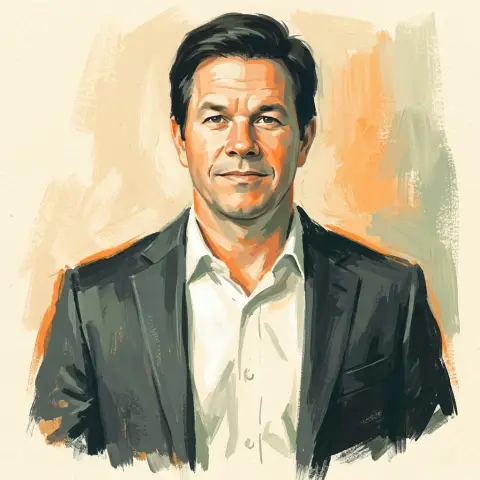
Up at 3:00 AM
Updated · 18
David Goggins's daily routine
Former Navy SEAL, Ultramarathon Runner & Motivational Speaker
David Goggins wakes in the pre-dawn hours (around 3-4 AM) and starts a heavy endurance routine of 10-20+ miles of running and cycling daily, with intermittent fasting and a ketogenic diet. He sleeps little and trains through discomfort on purpose. It is not a routine for everyone, but early rising, consistent training, and disciplined eating carry over to anyone who wants to build resilience.
Not affiliated with David Goggins.
- Signature Habit
- Pre-dawn wake-up (around 3-5 AM, varies) for immediate endurance training
- Daily Training Volume
- 20-up to 50 miles of running and cycling combined
- Nutrition Philosophy
- Intermittent fasting + ketogenic diet (reported; sources disagree on his exact macros)
- Core Belief
- Discomfort is the path to growth; embrace the grind
The day at a glance
24 hours, midnight at the top. Each colour is a kind of time.
- Sleep 5h
- Training 11h 45m
- Food 5h
- Mind 2h
Schedule
- 3:00 AM 3 AM Wake-Up & Mental Activation
- 3:15 AM 10-20 Mile Morning Run
- 6:30 AM Post-Run Recovery & Hydration
- 8:00 AM Secondary Training & Bike Commute Prep
- 10:30 AM First Meal: Protein-Rich Breakfast
- 12:00 PM Midday Run: 5-8 Miles
- 2:30 PM Pre-Workout Snack: Fruits & Nuts
- 3:00 PM Afternoon Cycling: 20-25 Miles
- 5:30 PM Evening Run: 3-5 Miles
- 6:00 PM Evening Meal: Ketogenic Dinner
- 7:00 PM Intermittent Fasting Window & Hydration
- 7:00 PM Post-Dinner Mobility & Stretching
- 7:30 PM Cold Exposure & Ice Bath
- 8:00 PM Mental Work & Journaling
- 10:00 PM Sleep Preparation & Minimal Rest
- Ongoing Embrace Discomfort as Growth
- Ongoing Accountability & Tracking Progress
- Ongoing Continuous Learning & Content Consumption
- Post-Workout Protein & Recovery Supplements
- Daily Electrolytes & Hydration Support
Up at 3:00 AM, earlier than 27 of the 29 people we track.
Who David Goggins is
David Goggins is a former Navy SEAL and ultra-endurance athlete. He went from obesity and hardship to being known as one of the world's toughest people. His philosophy is to get used to discomfort and push past what you think your limits are. Through ultramarathons, speaking, and constant training, he has reached millions of people.
- Former Navy SEAL with multiple deployments
- Completed 60+ ultramarathons and extreme endurance events
- Went from 297 lbs to elite endurance athlete
- Motivational speaker and bestselling author
- Known as one of the world's toughest people
Morning Routine: The 3 AM Rise & Endurance Start
3:00 AM - 10:30 AMGoggins wakes around 3-4 AM and starts his main endurance session right away, running roughly 10-20 miles before most people are awake. This section covers his pre-dawn start, early nutrition, and mindset.
-
3 AM Wake-Up & Mental Activation
RoutineGoggins has said he wakes in the pre-dawn hours (around 3-4 AM) without an alarm, embracing the discomfort of pre-dawn darkness to begin his training before the world wakes.
Read the full breakdown Hide the breakdown
David has said he wakes around 3-4 AM and immediately activates his mind for training. There is no snooze and no hesitation. The 3 AM start is deliberate. It forces him to face discomfort before dawn and builds mental toughness before the physical work begins.
Pre-Dawn Activation Protocol
- Wake around 3-4 AM without alarm (body adaptation)
- Cold water face splash or cold shower to activate nervous system
- Mental visualization of the day's training goals
- No caffeine or food, immediate movement to preserve fasted state
Everyday adaptation: Try waking 30 minutes earlier than usual for one week and use that time for movement or meditation instead of scrolling. You'll notice improved mental clarity and a sense of control over your day.
-
10-20 Mile Morning Run
TrainingGoggins completes a 10-20 mile run in the pre-dawn darkness, building aerobic capacity and mental resilience through extreme endurance.
Read the full breakdown Hide the breakdown
From 3:15 AM to 6:30 AM, Goggins runs roughly 10-20 miles at a steady endurance pace. This is his primary morning training block, performed in darkness and solitude. The run builds aerobic capacity, mental toughness, and establishes the day's momentum before sunrise.
Endurance Running Protocol
- 10-20 mile run at conversational pace (aerobic zone)
- Duration: 3-3.5 hours depending on terrain and conditions
- Fasted state (no pre-run fuel) to enhance fat adaptation
- Track distance and pace using running app or Lasta App for nutrition and training data
- Mental focus: embrace discomfort, push past mental barriers
Everyday adaptation: Start with a 3-5 mile morning run 2-3 times per week in a fasted state. Build distance gradually over weeks; the mental benefit of early movement rivals the physical gains.
-
Post-Run Recovery & Hydration
FoodAfter the 10-20 mile run, Goggins rehydrates and begins recovery protocols to prepare for the day's remaining training sessions.
Read the full breakdown Hide the breakdown
Following the 10-20 mile run, Goggins prioritizes immediate rehydration and electrolyte replenishment. He consumes water and electrolytes to restore sodium and minerals lost during the extended fasted run, preparing his body for the day's remaining training blocks.
Post-Run Recovery Protocol
- 1-1.5 liters of water with electrolytes (sodium, potassium, magnesium)
- Light stretching and mobility work for 15-20 minutes
- Cold plunge or ice bath for 5-10 minutes to reduce inflammation
- Nutrition tracking via Lasta App to monitor hydration and upcoming meal timing
- Mental reset: journaling or breathing work before next training block
Everyday adaptation: After any intense workout, drink water with a pinch of salt and electrolytes within 30 minutes. Stretch for 10 minutes and take a cold shower to accelerate recovery. No expensive ice bath required.
-
Secondary Training & Bike Commute Prep
TrainingGoggins completes a second training session, either running 10-15 miles or preparing for his 20-mile bike commute to work, maintaining momentum before his first meal.
Read the full breakdown Hide the breakdown
Between 8:00 AM and 10:30 AM, Goggins completes a secondary training block: either a 10-15 mile run or prepares for his 20-mile bike commute to work. This extends his morning training volume to 30-35+ miles before consuming his first meal, deepening fat adaptation and mental resilience.
Secondary Training Protocol
- Option A: 10-15 mile run at steady endurance pace
- Option B: 20-mile bike commute to work location
- Maintain fasted state until 10:30 AM (extended intermittent fasting window)
- Mental focus: embrace the grind, build unshakeable discipline
Everyday adaptation: Bike or run to work 1-2 days per week instead of driving. Even a 5-mile commute builds endurance and saves time. You're training while traveling, not adding extra hours to your day.
Nutrition & Hydration: Ketogenic Intermittent Fasting
10:30 AM - 6:00 PMGoggins follows a ketogenic diet (reported; sources disagree on his exact macros) with intermittent fasting, eating only 1-2 meals daily. It supports his training volume and keeps him lean.
-
First Meal: Protein-Rich Breakfast
FoodGoggins breaks his 7.5-hour fast with oatmeal, protein powder, and nuts, his first substantial meal after a long morning of training.
Read the full breakdown Hide the breakdown
At 10:30 AM, Goggins consumes his first meal after a 7.5-hour fasted training block. This meal breaks his intermittent fasting window while supporting his ketogenic macronutrient targets.
Breakfast Protocol (Ketogenic Approach)
- Oatmeal (1 cup cooked) for carbohydrates and fiber
- Protein powder mixed into oatmeal or consumed separately
- Nuts (almonds, walnuts, or peanuts) for healthy fats and calories
- Banana (optional) for additional carbs and potassium
- Track macros using Lasta App to keep protein high and carbs controlled (exact ratios vary by source)
Everyday adaptation: Mix oatmeal with a scoop of protein powder and a handful of nuts. This takes 5 minutes and provides 40g protein and sustained energy. No fancy supplements needed; basic protein powder and whole grains work perfectly.
-
Pre-Workout Snack: Fruits & Nuts
FoodGoggins consumes fruits and nuts mid-afternoon to fuel his afternoon training sessions and maintain energy for the day's remaining workouts.
Read the full breakdown Hide the breakdown
At 2:30 PM, Goggins eats fruits and nuts to fuel his afternoon training sessions. This snack provides quick carbohydrates (fruit) and sustained energy (nuts), supporting his 5-8 mile afternoon run and maintaining blood sugar stability throughout his training day. The timing aligns with his second major training block.
Pre-Workout Snack Protocol
- Banana or apple for quick carbohydrates
- Handful of nuts (almonds, cashews, or mixed nuts) for fats and protein
- Optional: energy bar or dates for additional carbs
- Hydration: 500ml water with electrolytes
- Timing: 30-45 minutes before afternoon training block
Everyday adaptation: Eat a banana and a small handful of nuts 30 minutes before your afternoon workout. This costs under $1 and provides sustained energy without expensive sports nutrition products.
-
Evening Meal: Ketogenic Dinner
FoodGoggins consumes his second and final meal of the day, a protein-heavy dinner supporting his ketogenic macronutrient targets and muscle recovery.
Read the full breakdown Hide the breakdown
Between 6:00 PM and 7:00 PM, Goggins eats his second meal: a protein-rich dinner featuring lean meat (chicken, turkey, or fish), vegetables, and healthy fats. This meal closes his eating window and provides amino acids for muscle recovery after up to 40-50 miles of training. His ketogenic approach maintains a high-protein, controlled-carb macronutrient balance.
Dinner Protocol (Ketogenic Approach)
- Lean protein (6-8 oz chicken, turkey, or fish)
- Vegetables (broccoli, spinach, or green beans) for micronutrients
- Healthy fats (olive oil, avocado, or nuts) for satiety
- Optional: sweet potato or rice for additional carbs post-training
- Supplement with NSP Nutrition protein or Steel Supplements if whole food unavailable
Everyday adaptation: Grill a chicken breast, add steamed vegetables, and drizzle with olive oil. This takes 20 minutes and provides 50g protein. Meal prep 3-4 dinners on Sunday to eliminate daily cooking stress.
-
Intermittent Fasting Window & Hydration
FoodGoggins closes his eating window at 7:00 PM and enters a 15.5-hour fasted state until his 10:30 AM breakfast, maintaining ketogenic fat adaptation and metabolic efficiency.
Read the full breakdown Hide the breakdown
After his 7:00 PM dinner, Goggins enters his 15.5-hour intermittent fasting window until 10:30 AM the next morning. This extended fasted state enhances fat adaptation, improves metabolic flexibility, and supports his ketogenic nutrition strategy. He consumes only water and electrolytes during this window, allowing his digestive system to rest and his body to tap into fat stores for energy.
Intermittent Fasting Protocol
- Eating window: 10:30 AM - 7:00 PM (8.5 hours)
- Fasting window: 7:00 PM - 10:30 AM (15.5 hours)
- Hydration: 2-3 liters water with electrolytes during fasting window
- No calories, supplements, or food during fasted state
- Track fasting compliance using Lasta App or
Everyday adaptation: Try a simple 12-hour fast (dinner at 7 PM, breakfast at 7 AM) for one week. You'll notice improved energy and reduced afternoon cravings. No special supplements or apps required.
Afternoon Training: Multi-Session Endurance Protocol
12:00 PM - 8:00 PMGoggins does 2-3 more training sessions through the afternoon and evening, adding up to 40-50 miles of running and cycling daily.
-
Midday Run: 5-8 Miles
TrainingGoggins completes a 5-8 mile run at lunchtime, maintaining training momentum and building aerobic capacity throughout the day.
Read the full breakdown Hide the breakdown
At 12:00 PM, Goggins completes a 5-8 mile run lasting approximately 45-60 minutes. This midday training block maintains his endurance momentum and prevents his body from settling into comfort. Combined with his morning 10-20 mile run, this brings his daily running volume to roughly 20-28 miles before his afternoon training sessions.
Midday Run Protocol
- 5-8 mile run at steady endurance pace
- Duration: 45-60 minutes depending on pace and terrain
- Timing: 1-2 hours after breakfast to allow digestion
- Hydration: 500ml water during or after run
- Track distance and pace using running app or Lasta App
Everyday adaptation: Run 3-5 miles during your lunch break 2-3 times per week. You'll return to work more focused and energized than if you'd eaten at your desk.
-
Afternoon Cycling: 20-25 Miles
TrainingGoggins cycles 20-25 miles in the afternoon, often as his commute to work or training location, building lower-body endurance and aerobic capacity.
Read the full breakdown Hide the breakdown
From 3:00 PM to 5:00 PM, Goggins cycles 20-25 miles at a steady pace, often using this as his commute to work or training location. Cycling provides low-impact endurance training while building leg strength and aerobic capacity. This session brings his daily training volume to 45-53 miles before his evening run.
Afternoon Cycling Protocol
- 20-25 mile bike ride at conversational pace
- Duration: 1.5-2 hours depending on terrain and conditions
- Bike type: Road bike or gravel bike for efficiency
- Hydration: 1-1.5 liters water with electrolytes during ride
- Track distance and power using cycling app or Lasta App
Everyday adaptation: Bike to work or run errands on a bike 1-2 days per week. A 10-mile bike ride burns 500+ calories and builds endurance without feeling like traditional exercise.
-
Evening Run: 3-5 Miles
TrainingGoggins completes a final 3-5 mile run in the evening, closing his training day and accumulating up to 50 miles of daily endurance work.
Read the full breakdown Hide the breakdown
Between 5:30 PM and 6:30 PM, Goggins runs a final 3-5 miles to close his training day. This evening session brings his total daily training volume to up to 50 miles of running and cycling combined. The final run serves as a mental reset and reinforces his discipline before his evening meal and recovery protocols.
Evening Run Protocol
- 3-5 mile run at conversational or slightly faster pace
- Duration: 30-45 minutes
- Timing: 1-2 hours before dinner to allow recovery
- Mental focus: reflection on the day's training and mindset work
- Track using running app or Lasta App for consistency
Everyday adaptation: Add a 20-30 minute evening walk or light jog 3-4 times per week. This aids digestion, improves sleep quality, and provides mental clarity without requiring intense effort.
Evening Recovery and Sleep
7:00 PM - 11:00 PMGoggins puts recovery first in the evening. His sleep is short, but he stretches, does mobility work, uses cold exposure, and does mental work to be ready for the next day.
-
Post-Dinner Mobility & Stretching
FoodGoggins performs 20-30 minutes of stretching and mobility work to reduce muscle tension and prepare his body for recovery.
Read the full breakdown Hide the breakdown
After his 7:00 PM dinner, Goggins dedicates 20-30 minutes to mobility and stretching work. This protocol reduces muscle tension from up to 50 miles of daily training, improves flexibility, and activates parasympathetic nervous system recovery. Consistent mobility work prevents injury and maintains long-term training sustainability.
Mobility & Stretching Protocol
- Dynamic stretching (leg swings, arm circles) for 5 minutes
- Static stretching (hamstrings, hip flexors, calves) for 15 minutes
- Foam rolling or massage ball for tight muscles
- Yoga or tai chi for 10 minutes to activate parasympathetic nervous system
- Focus on hips, hamstrings, and lower back (primary running stress areas)
Everyday adaptation: Spend 10 minutes stretching after any workout. Focus on the muscles you just trained. This costs nothing and reduces soreness and injury risk.
-
Cold Exposure & Ice Bath
TrainingGoggins uses cold plunges or ice baths to reduce inflammation, accelerate recovery, and build mental resilience through cold stress adaptation.
Read the full breakdown Hide the breakdown
From 7:30 PM to 8:00 PM, Goggins immerses himself in cold water (50-60°F) for 5-10 minutes. Cold exposure reduces inflammation from extreme training volume, accelerates muscle recovery, and builds mental toughness through deliberate discomfort. Regular cold exposure also improves immune function and increases brown fat activation for metabolic efficiency.
Cold Exposure Protocol
- Ice bath or cold plunge at 50-60°F for 5-10 minutes
- Alternative: cold shower (2-3 minutes) if ice bath unavailable
- Breathing technique: slow, controlled breathing to manage cold stress
- Frequency: 3-5 times per week after intense training
- Mental focus: embrace discomfort as a tool for growth
Everyday adaptation: End your shower with 30-60 seconds of cold water 2-3 times per week. This costs nothing, improves circulation, and builds mental resilience without requiring an expensive ice bath.
-
Mental Work & Journaling
MindGoggins spends 1-2 hours on mental work (journaling, reflection, and mindset training) to reinforce discipline and process the day's training.
Read the full breakdown Hide the breakdown
From 8:00 PM to 10:00 PM, Goggins engages in mental work and journaling for 1-2 hours. This practice reinforces his discipline, processes the day's training, and strengthens his mindset. Journaling clarifies goals, tracks progress, and builds the mental toughness that sets him apart.
Mental Work Protocol
- Journaling (30-45 minutes): reflect on training, mindset, and daily challenges
- Goal setting: clarify next day's training and mental targets
- Reading: consume content from The Primal Podcast or fitness resources
- Meditation or breathing work (10-15 minutes) to calm nervous system
- No screens or social media during this window
Everyday adaptation: Journal for 10 minutes before bed. Write three things you're grateful for and one challenge you overcame. This practice moves your attention toward resilience and gratitude.
-
Sleep Preparation & Minimal Rest
SleepGoggins prepares for sleep with minimal wind-down, typically sleeping 4-6 hours before his 3-4 AM wake-up. His sleep is short, which supports his extreme training volume.
Read the full breakdown Hide the breakdown
Between 10:00 PM and 11:00 PM, Goggins prepares for sleep. He typically sleeps 4-6 hours before his 3-4 AM wake-up, prioritizing training volume over extended rest. While this sleep duration is extreme and not recommended for most people, Goggins' body has adapted through years of discipline. His sleep is dark, cool, and free from screens to maximize sleep quality despite short duration.
Sleep Preparation Protocol
- Bedroom temperature: 65-68°F for good sleep quality
- Complete darkness: blackout curtains or sleep mask
- No screens or blue light 30-60 minutes before bed
- Sleep duration: 4-6 hours (extreme; most people need 7-9 hours)
- Consistent sleep schedule: same bedtime and wake time daily
Everyday adaptation: Aim for 7-9 hours of sleep in a cool (65-68°F), dark room. Most people need this duration for recovery; Goggins' 4-6 hours is an extreme outlier. Prioritize sleep quality over training volume for sustainable health.
Mindset & Mental Toughness: The Core Philosophy
Throughout the dayGoggins' routine rests on mental toughness, discipline, and getting used to discomfort. This section covers the mindset behind his training and how anyone can apply it to their own goals.
-
Embrace Discomfort as Growth
RoutineGoggins' core philosophy: discomfort is the path to growth. Every training session, cold plunge, and early wake-up is deliberate discomfort designed to build mental resilience.
Read the full breakdown Hide the breakdown
Goggins' entire routine is built on deliberate discomfort. His 3-4 AM wake-up, high-mileage daily training, cold plunges, and minimal sleep are intentional challenges designed to strengthen his mind. This philosophy extends beyond physical training: he views every difficult task as an opportunity to build mental toughness and prove his capability.
Discomfort Protocol
- Identify your biggest fear or discomfort (early rising, cold exposure, hard training)
- Embrace it deliberately: 3-5 times per week for 2-4 weeks
- Document your experience using journaling
- Notice how your mind adapts and your confidence grows
- Gradually increase difficulty: longer runs, colder water, earlier wake times
Everyday adaptation: Choose one small discomfort (cold shower, 20-minute run, 5 AM wake-up) and do it for one week. You'll notice your confidence and resilience increase.
-
Accountability & Tracking Progress
RoutineGoggins tracks every training session, meal, and mental work to maintain accountability and document his progress toward extreme goals.
Read the full breakdown Hide the breakdown
Goggins keeps close track of his training, nutrition, and mental work. This accountability system prevents excuses and creates a clear record of progress. He uses fitness tracking apps to document his routine, ensuring consistency and enabling data-driven adjustments.
Accountability & Tracking Protocol
- Track daily training: distance, duration, pace, and perceived effort
- Log nutrition: meals, macronutrients, and hydration in a tracking app
- Journal daily: reflect on mental challenges, wins, and lessons learned
- Weekly review: assess progress toward monthly and yearly goals
- Share progress with accountability partner or community
Everyday adaptation: Use a simple spreadsheet or notes app to track your workouts and meals for one month. The act of logging creates awareness and prevents drift toward old habits.
-
Continuous Learning & Content Consumption
WorkGoggins consumes fitness, nutrition, and mindset content through podcasts, YouTube, and educational resources to continuously refine his approach.
Read the full breakdown Hide the breakdown
Goggins dedicates time to continuous learning through podcasts, YouTube videos, and educational content. He follows resources like his own official channels, YouTube fitness channels, and long-form interviews like The Joe Rogan Experience #1906 to stay informed about training science, nutrition strategies, and mindset development.
Learning Protocol
- Listen to 2-3 podcasts per week on fitness, nutrition, or mindset
- Watch 1-2 YouTube videos on training or nutrition science
- Read his books Can't Hurt Me and Never Finished and watch verified interviews
- Apply one new insight to your routine each week
- Share learnings with accountability partner or community
Everyday adaptation: Listen to one fitness or mindset podcast during your commute or workout. You'll absorb new knowledge without adding time to your day.
Supplement Protocol: Supporting Extreme Training
Throughout the dayGoggins eats mostly whole foods but takes a few supplements for training volume, recovery, and nutrition gaps. His stack is small.
-
Protein & Recovery Supplements
FoodTwo supplement-brand articles (NSP Nutrition, Steel Supplements) write about Goggins' diet. NSP mentions a whey protein shake. Neither names creatine, BCAAs or a dose, and neither is a Goggins statement.
Read the full breakdown Hide the breakdown
Two supplement-brand articles write about Goggins' diet: NSP Nutrition and Steel Supplements. The NSP article lists a whey protein shake as a snack. Neither article names creatine, BCAAs or a dose, and both are third-party write-ups, not Goggins' own statements. No source cited on this page shows him taking creatine. Checked November 11, 2026.
- Whey protein shake: mentioned in the NSP article (third-party)
- Whole food protein (eggs, chicken, fish, Greek yogurt) is the focus of both articles
-
Electrolytes & Hydration Support
FoodGoggins uses electrolyte supplements
Read the full breakdown Hide the breakdown
Goggins consumes electrolyte supplements throughout his training day to maintain sodium, potassium, and magnesium balance. His extreme training volume (up to 50 miles daily) creates significant sweat losses, requiring deliberate electrolyte replacement. He uses basic electrolyte powders mixed into water, particularly during his fasted morning training sessions.
Electrolyte Protocol
- Electrolyte powder (sodium, potassium, magnesium) mixed into water
- 1-1.5 liters of electrolyte water during training days
- Timing: during and after extended training sessions (runs/bikes over 90 minutes)
- Brands: basic electrolyte powders or LMNT (sodium-heavy option)
- Alternative: coconut water or sports drinks for carbohydrate + electrolyte combination
Everyday adaptation: Add a pinch of salt to your water bottle during workouts over 60 minutes. This costs pennies and prevents cramping and dehydration better than expensive sports drinks.
Questions about David Goggins's routine
Does David Goggins take creatine?
No source cited on this page shows Goggins taking creatine. The two supplement-brand articles we cite (NSP Nutrition and Steel Supplements) do not name creatine or a dose, and neither is a Goggins statement. Checked November 11, 2026.
What supplements does David Goggins take?
The NSP Nutrition article mentions a whey protein shake. Neither it nor the Steel Supplements article names creatine, BCAAs or a dose. They are third-party descriptions, not Goggins' own statements. Checked November 11, 2026.
Is David Goggins' routine realistic for average people?
David Goggins' extreme routine, 3-4 AM wake-ups, up to 50 miles of daily training, 4-6 hours of sleep, is not designed for average people and would be unsustainable for most. However, the underlying principles are universally applicable: embrace discomfort, maintain consistency, prioritize discipline over motivation, and track your progress. Start with smaller versions: wake 30 minutes earlier, run 3-5 miles instead of 20, sleep 7-9 hours (not 4-6), and maintain a ketogenic or balanced nutrition approach. The mindset of pushing past perceived limits applies to any goal, whether fitness, career, or personal growth. Goggins' routine is extreme because his goals are extreme; scale the principles to match your own ambitions.
Can I follow Goggins' ketogenic intermittent fasting approach?
Goggins' ketogenic diet (reported; sources disagree on his exact macros) combined with intermittent fasting (15.5-hour fasting window) is effective for his extreme training volume and body composition goals. However, this approach requires careful planning and may not suit everyone. Key considerations: (1) Intermittent fasting works best with consistent training. Without exercise, it may reduce energy and performance; (2) Ketogenic diets require 2-4 weeks of adaptation before feeling optimal; (3) Most people need 7-9 hours of sleep, not 4-6, so recovery nutrition is critical; (4) Consult a doctor or nutritionist before major dietary changes, especially if you have health conditions. A simpler approach: eat whole foods (protein, vegetables, healthy fats), maintain a consistent eating window (e.g., 12 PM - 8 PM), and adjust macros based on your training volume and goals. Goggins' approach is optimized for extreme endurance; most people thrive with more flexibility.
How can I build mental toughness like David Goggins?
Mental toughness, in Goggins' philosophy, is built through deliberate discomfort and consistent action despite resistance. Three practical approaches: (1) Embrace small discomforts regularly, cold showers, early wake-ups, hard workouts, to prove to yourself that you can handle difficulty. Start small (30-second cold shower, 5 AM wake-up) and gradually increase intensity over weeks. (2) Track your progress obsessively. Journal daily, log workouts, measure improvements. This creates accountability and shows you that discipline compounds over time. (3) Reframe failure as data, not defeat. When you miss a workout or break your routine, analyze why and adjust, rather than spiraling into shame. Goggins built his mental toughness through years of small, consistent choices. Your version of mental toughness might look different; perhaps it's finishing a difficult project, maintaining a meditation practice, or running a 5K. The principle is the same: choose discomfort, track progress, and trust the process.
Tools & products mentioned
Gear referenced in the routine. Some links are affiliate links.
Social media platform where Goggins shares training content, motivation, and routine updates with his audience.
View product → (opens in a new tab)TikTok
Social media platform featuring Goggins' diet, fitness, and mental toughness content for younger audiences.
View product → (opens in a new tab)YouTube
Video platform hosting Goggins' workout, diet, and training routine content for detailed learning and inspiration.
View product → (opens in a new tab)NSP Nutrition
Supplement brand blog post about Goggins' diet (third-party, not a Goggins statement).
View product → (opens in a new tab)Made4Fighters
Fitness equipment and lifestyle content provider offering training guides and nutritional insights aligned with Goggins' approach.
View product → (opens in a new tab)Generation Iron
Fitness and strength sports network providing detailed analysis of Goggins' workout routine and training philosophy.
View product → (opens in a new tab)Gym Generation
Fitness and training information resource documenting Goggins' journey and providing insights into his discipline and mindset.
View product → (opens in a new tab)Transparency notice: This article contains affiliate links to products and services we recommend. If you make a purchase through these links, we may earn a commission at no extra cost to you. This helps us keep our content free and continue providing valuable information. Links marked (Werbung) are affiliate links, most of them to Amazon; as an Amazon Associate we earn from qualifying purchases. We only recommend products we've researched or personally used. For complete details, see our Affiliate Disclosure.
Research sources
Articles, interviews and references used to build this routine.
- Can't Hurt Me: Master Your Mind and Defy the Odds - David Goggins (Official) davidgoggins.com (opens in a new tab)
- David Goggins on The Joe Rogan Experience #1080 open.spotify.com (opens in a new tab)
- David Goggins' Brutal Workout Plan for Strength & Endurance generationiron.com (opens in a new tab)
- David Goggins on The Joe Rogan Experience #1906 (Never Finished) ogjre.com (opens in a new tab)
- Inside David Goggins' Dietary Choices: Discipline to Daily Meals made4fighters.com (opens in a new tab)
- David Goggins - Official Website davidgoggins.com (opens in a new tab)
- The David Goggins Diet: Unleashing Your Full Potential - NSP Nutrition nspnutrition.com (opens in a new tab)
- David Goggins: Inspiring Journey to Mental Toughness gymgeneration.ch (opens in a new tab)
- David Goggin's Diet and Workout Routine - Steel Supplements steelsupplements.com (opens in a new tab)
- David Goggins INSANE Workout and Diet Revealed - YouTube youtube.com (opens in a new tab)
- The Toughest Man Alive - U.S. Navy All Hands allhands.navy.mil (opens in a new tab)
- David Goggins - Wikipedia en.wikipedia.org (opens in a new tab)